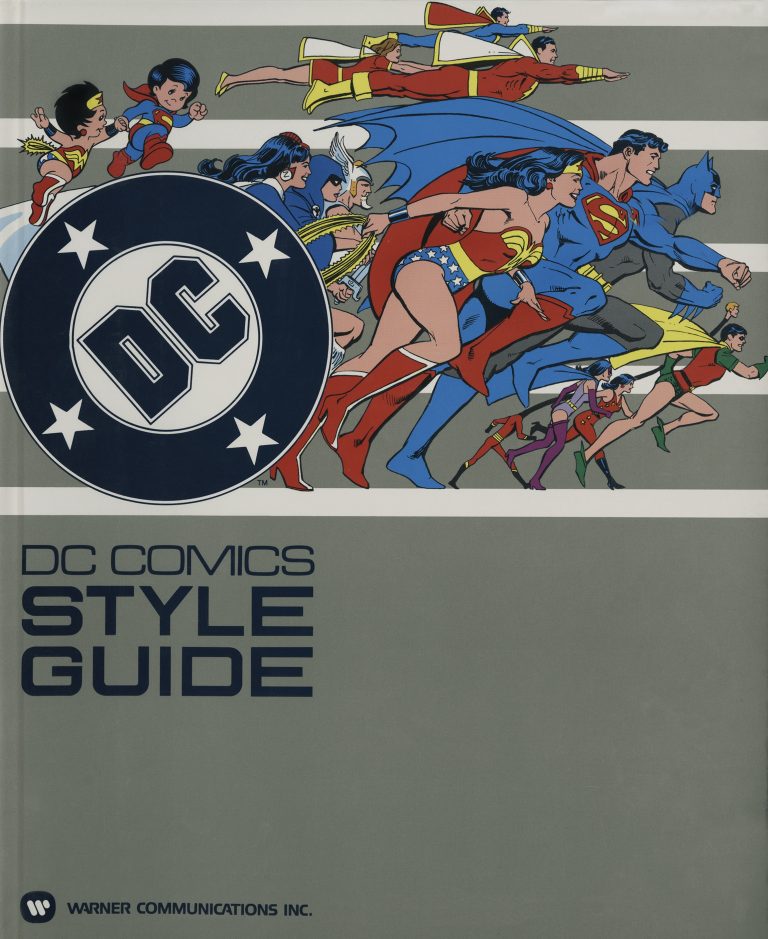
The 1982 DC Comics Style Guide
DC Comics


DC Comics
DC Comics

DC Comics

Penguin Random House
DC Comics

DC Comics

DC Comics

DC Comics

Steven Brower takes a look back at the wild and wooly (and probably libelous) life and times of D. Bruce Berry, which started in fandom and ended in The Fourth World.

The influential creator talks about how he got his start in comics, how a conversation with Jim Steranko helped cement his legacy, his time in animation, the return of Milestone, and how far comics has to go (and what it has to do) if it really wants to change its racist legacy.

Tom looks back at the 1997 Unknown Soldier, when Garth Ennis and Killian Plunkett warned us of the world that was coming.
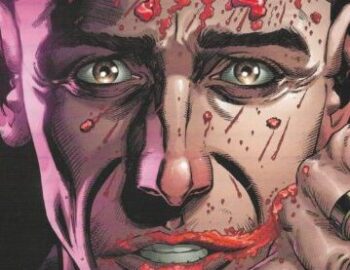
One of the most read print comics of the year is….a Batman comic, featuring the Joker. Joe McCulloch is here to take a look and see what this installment of America’s favorite corporate mythology had to say for itself.

An expansive conversation with Stuart Immonen, whose artistic output reflects his interests: diverse, dynamic and curious. Here, he talks with Alex Dueben about his self-published work (labeled “too serious” by the biter class) and what the “Marvel method” looks like these days. Reminder: he’s not retired!

Tom Shapira takes a fond look at the only non-Jack Cole Plastic Man comics anybody ever mentions: the Kyle Baker run from 2004.

A dependable, influential writer for both Marvel & DC Comics sits down with one of his biggest fans for a rapid fire journey through the hits, the misses, and the super-heroes that filled the pages: ladies and gentlemen, it’s Steve Englehart.

Tegan concludes her look at Grant Morrison and Richard Case’s shadow-casting run on Doom Patrol to see what it can tell us about comics, nostalgia, and Cliff Steele.

This interview was conducted in 1978 and 1980 and released in full form in The Comic Journal #66 (September 1981). Among the many topics they cover, young Gary Groth and Mike Catron ask Denny O’Neil about the potential for the art form – specifically, beyond the mass audience and the superhero genre – and talk about a promising new writer O’Neil is editing, Frank Miller.

The influential writer and beloved editor passed away, leaving a super-hero industry forever changed behind him.

Tegan takes us back to the past, no longer as recent as it once was, for a look at the Doom Patrol–specifically, the one whose legacy remains critically intact.

Twenty-five years ago, DC Comics signed with Diamond Distributors. Eric Reynolds reported on a leaked memo.

R.C. Harvey isn’t going to let Geoff Johns get away with spending a huge amount of time messing around with old Watchmen comics and thousands of alternate DC universes without giving the end result the old once over. Can Bob resist the bombast?

Shazam hasn’t had the easiest run of things for a good long while–don’t let the box office receipts fool you! R.C. Harvey is here with the latest installment of Hare Tonic, focusing on the Big Red Cheese!

Tegan O’Neil takes a dip into the world of subscription based comic book reading, with the DC Universe. Can she resist the temptation to watch cancelled television shows and focus on back issues instead? It’s time for an economics lesson!

Phil Jimenez talks with Alex Dueben about highlights from his twenty-eight year career in comics, the importance of mental health in the LGBTQ comics community, and why he’s returning to Wonder Woman.

Ryan Flanders looks back at what it meant and what he learned during the 17 years he spent at the house that Alfred E Neuman built.

Ardo Omer spoke with Ming Doyle about one of DC’s more inventive licensed projects: a collection of Batman’s anatomy drawings of fellow DC characters, published by Insight Editions

Tegan turns her eye to Steve Ditko, and his Shade the Changing Man series. Gather round: there’s learning to be had.

Leonard Pierce was probably never a fan of capitalism to begin with, but when he saw what it did to Spider-Man, that’s when the gloves really came off!

If you’re going to write about Crisis On Infinite Earths, it’s best to go deep, and in Tegan’s latest installment of Ice Cream for Bedwetters, that’s exactly what she does.

Mike Grell wrote a lot of issues of Green Arrow. But were any of them any good? Let Tegan take the wheel.

Searching for the unusual in the sometimes formulaic world of mainstream comics, we travel back to 1972 and uncover Jack Kirby’s despair and Alex Niño’s faces.
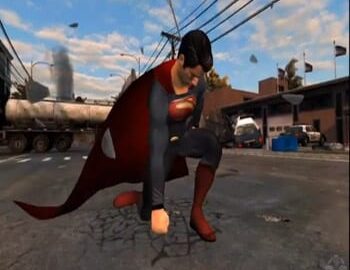
Now that we know the new Superman movie is a colossal hit, it seems like a good time to review the legal conflict over who gets to rake in those profits.