
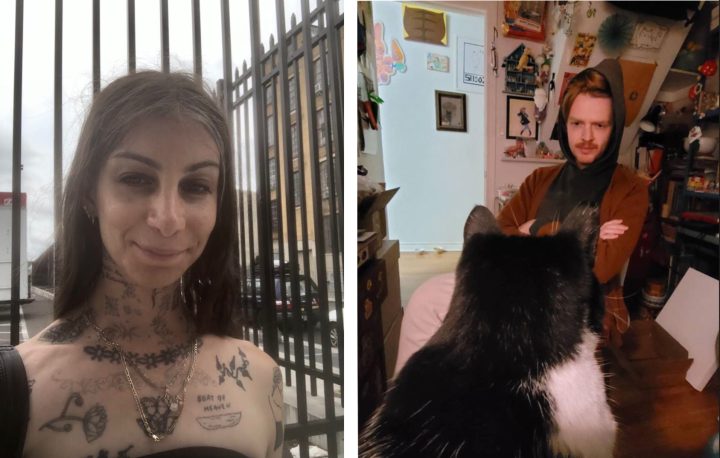
EM FRANK: Patrick Kyle and I met hmmm… I don’t know…. when did we meet?
PATRICK KYLE: I think it was SPX in 2017?
Oh yes! I remember talking about poetry books or something.
Yeah! And Magic: The Gathering, probably!
Oof, time passing, fun. Ok, Patrick Kyle and I met in 2017 and have stayed in touch off and on. We even made a book together a couple of years ago called The Archway (self-published, 2022) about two worlds unexpectedly mashing together at this mysterious archway while he was living in Toronto and I was floating around the United States. Since we’re both fans of each other’s work and have new books out, we thought it would be fun to do a kinda collaborative interview. Patrick’s new book is called Baby (Breakdown Press, 2023) and is about, well, a baby misadjusting to the world. And my book is called I Never Found You (Floating World Comics, 2023), and is about a birdwatcher named Egbert, who is also misadjusting to the world but one day he finds a severed hand in the woods that gets him into a lot of social and personal trouble. Ok! Patrick is gonna start us off, we hope you enjoy our convo!
On the first page of I Never Found You, Egbert asks, "Doesn't it always seem like there's more to most stories?” I was reminded of this thought a lot while reading through the book, with Egbert obsessively looking for something more in his life while often failing to acknowledge what's already right in front of him, his fantasies and ideas of fulfillment often obstructing his ability to be present in pivotal moments. Did the concept of being 'present' help inform the narrative of I Never Found You?
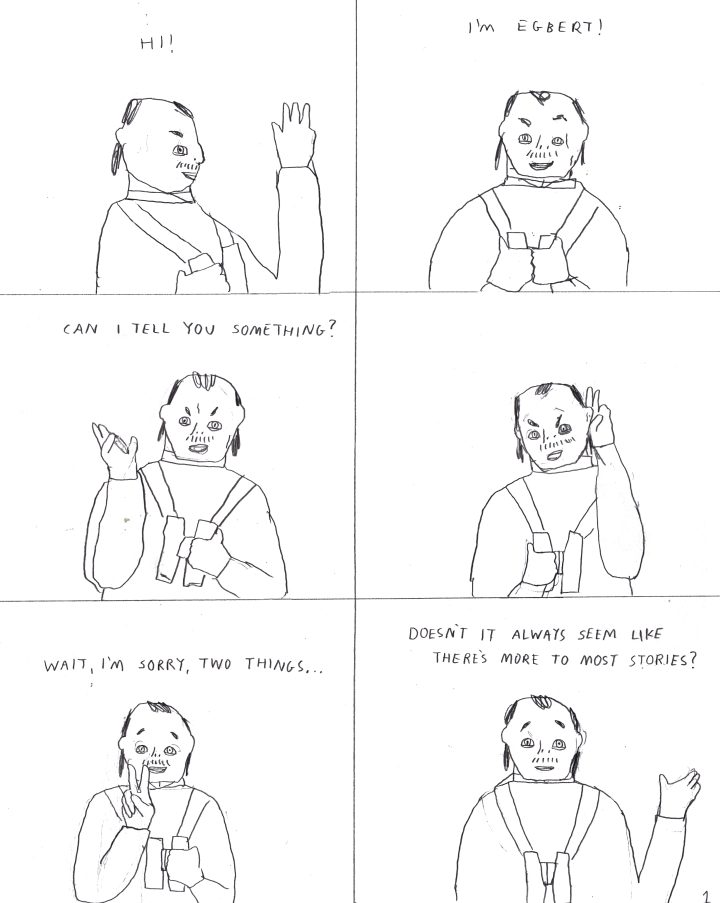
Ahh… I really loved that you scooped this line out of the book. It was honestly one of the last ones I added, and it was more for a pacing thing lol, but I do agree, I think it encapsulates quite a lot about Egbert, and well maybe, me, too. Like I’m always feeling like I need to figure out what’s beneath the surface of my beliefs, opinions, actions, feelings etc. because there’s always so much more than what meets the eye. Being a person in such a hurried and abstracted world often just feels like not being able to see what’s in plain sight… and I think this is what frustrates Egbert, he just can’t see himself, so he’s looking at anything else to distract himself from that fact. I’m not sure that’s exactly what you asked, lol, but I think seeing oneself and being present is often the same thing. I do believe that attention is reality, and it’s all about knowing what to widen in your perspective, and what to make smaller. Egbert, I think, has this backwards. It’s everything outside of him that feels like life or death, when it’s really the things he’s neglecting in himself that have the capacity for causing him real trouble. Bless his heart, though, honestly, he’s such a sad man.
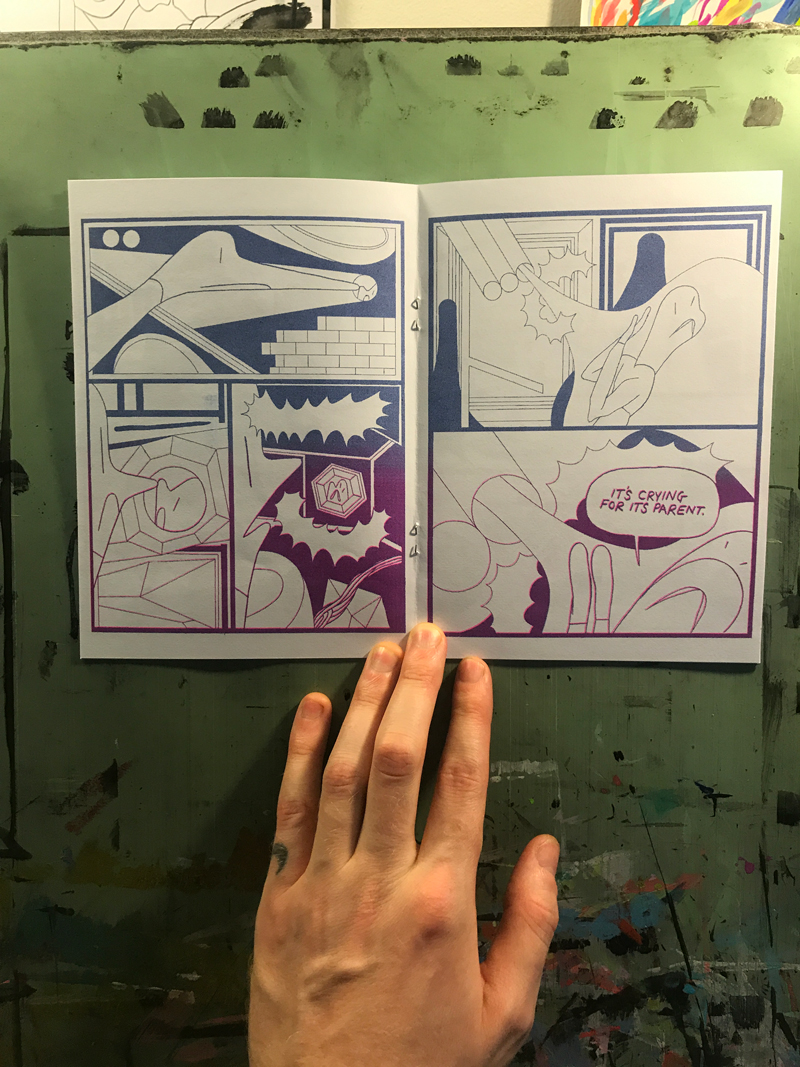
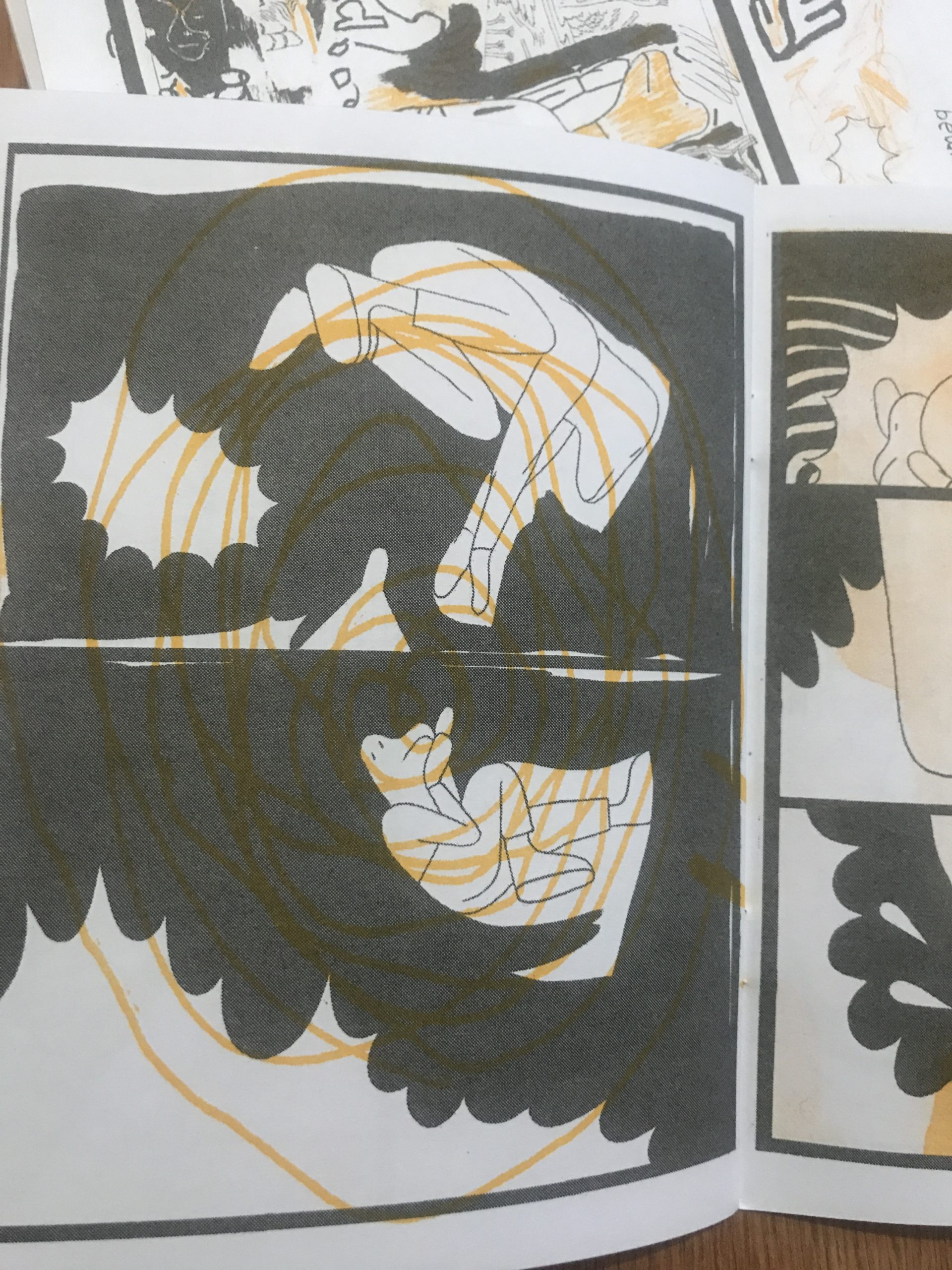
Patrick, I love how your characters have these pivotal transition phases in your comics that you draw very abstractly in shapes and squiggles. The images feel like verbs to me. It makes me really want to know what’s going on with the character and how they feel about everything but I also get it, too… the big things in life are messy and hard to express as they are. Do you think keeping your reader, your characters and maybe yourself out of the nuances of and specificities of big changes keeps some kind of magic going on in the book? And do you, yourself, experience big life change as sometimes an abstract mess of shape and color?
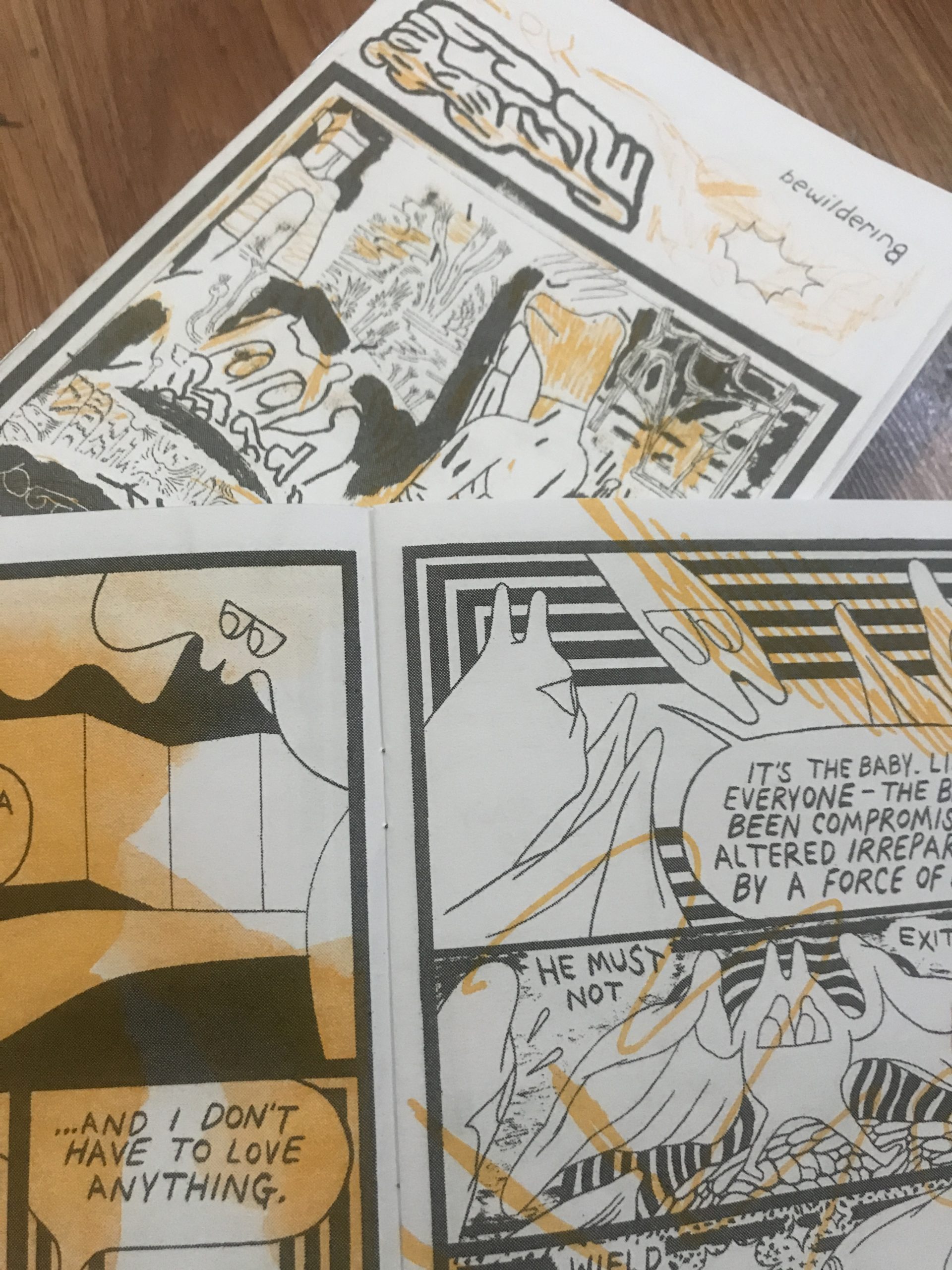
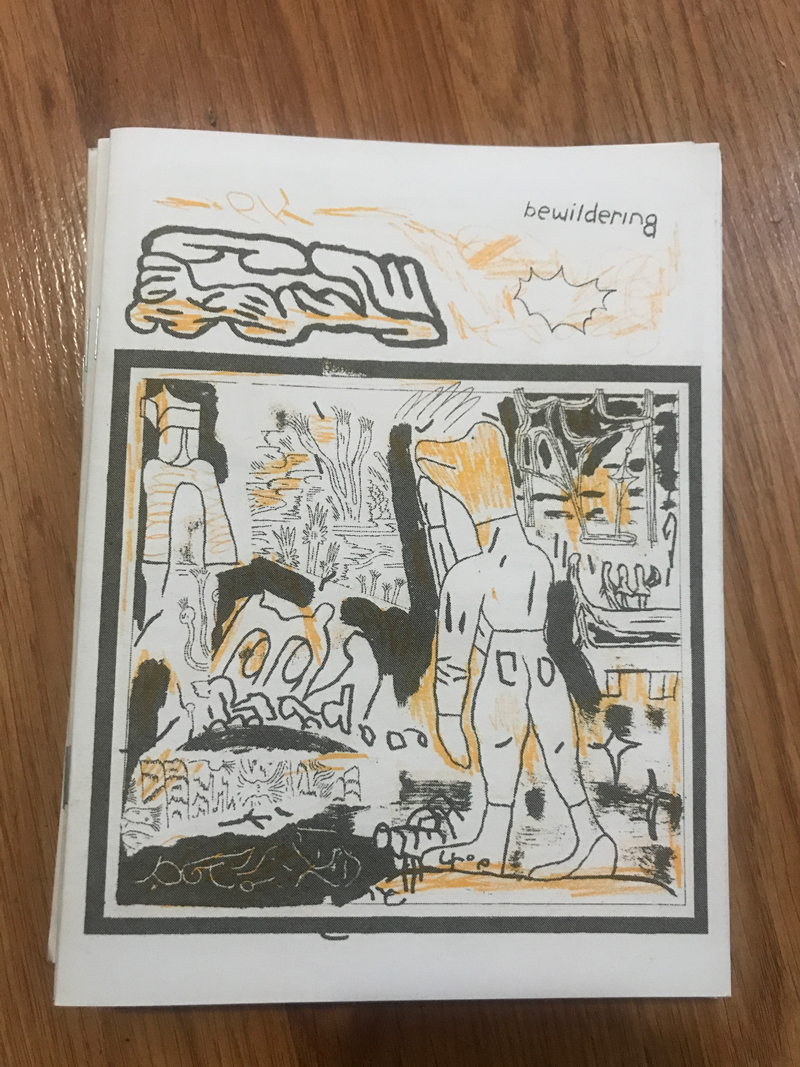
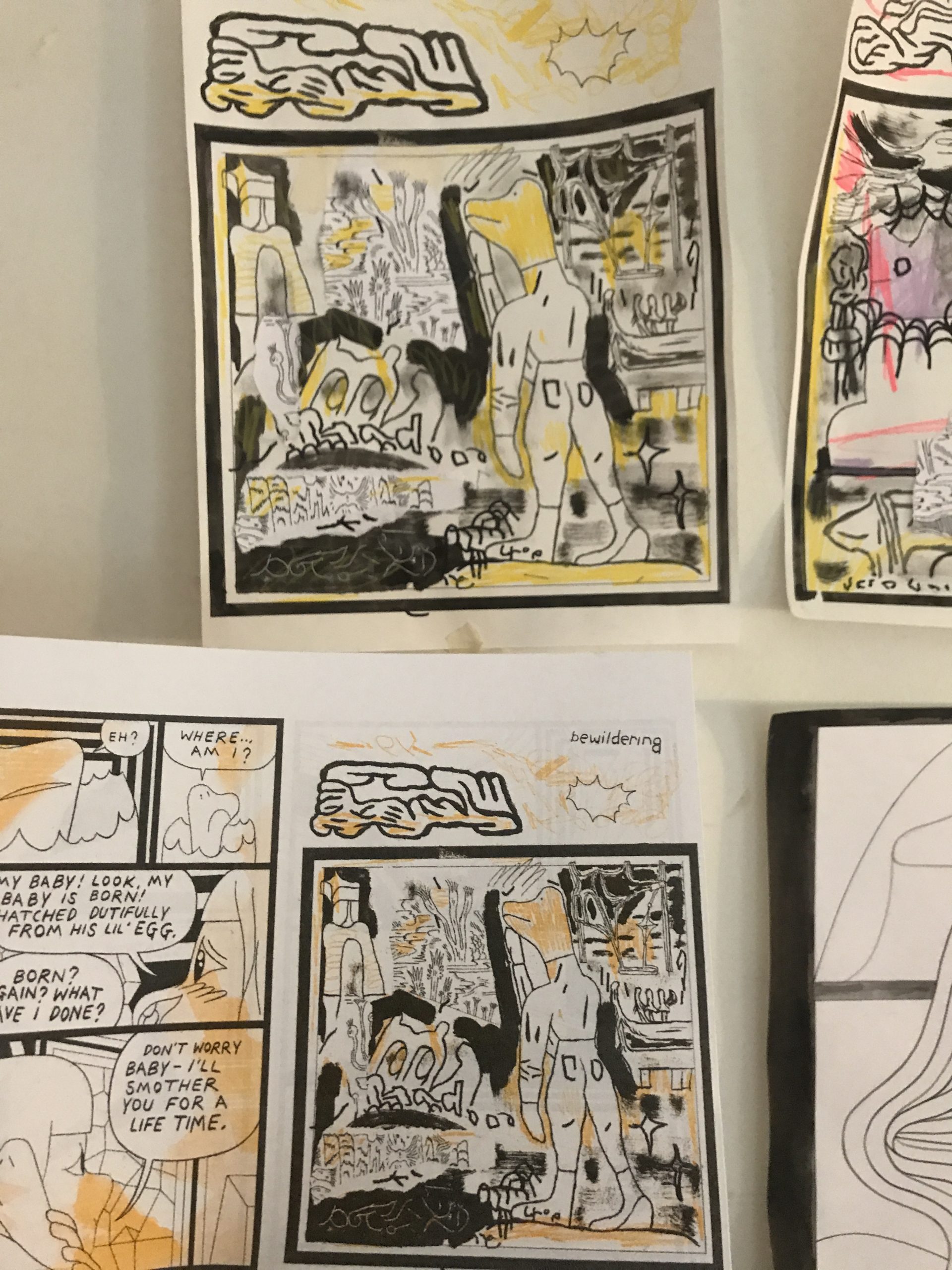
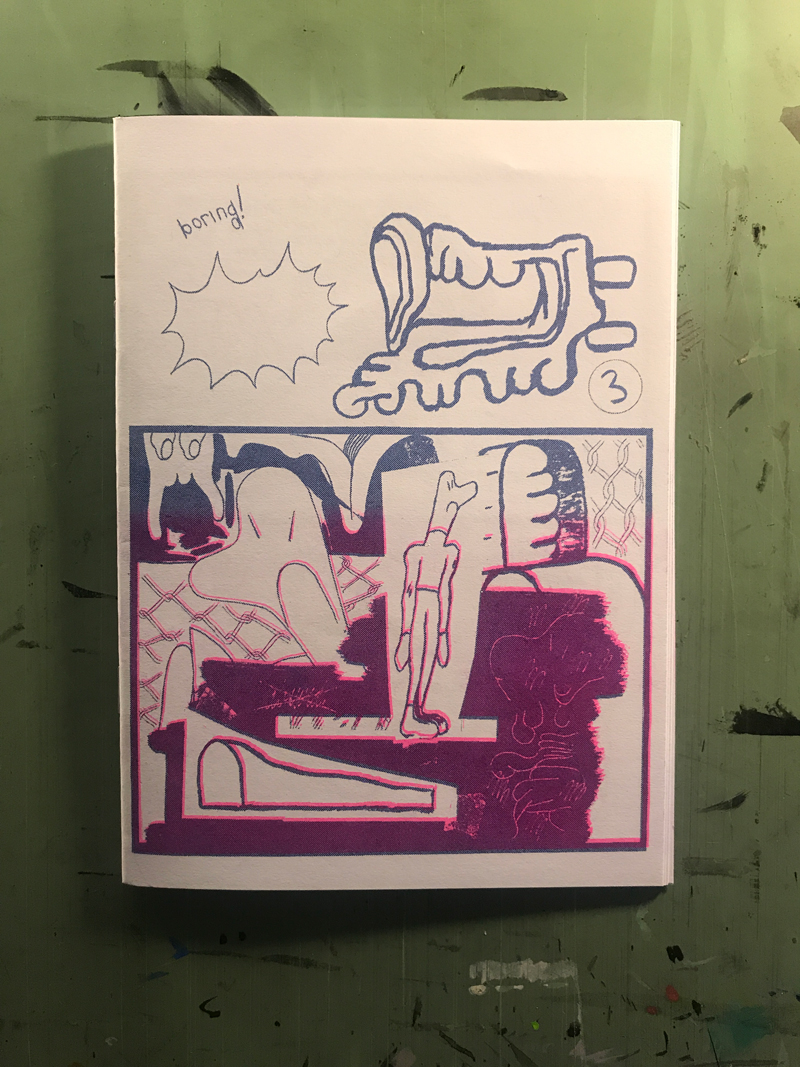
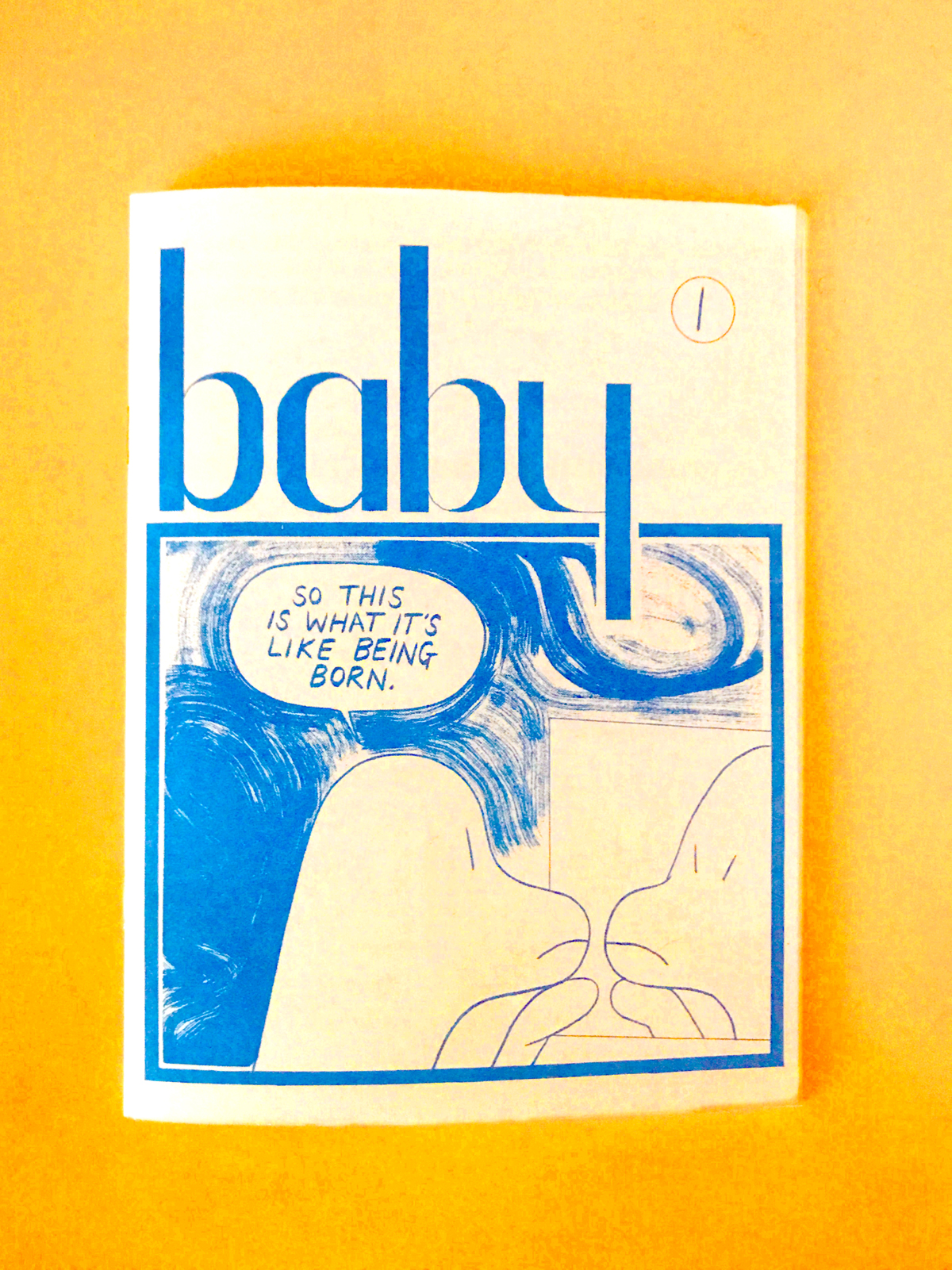
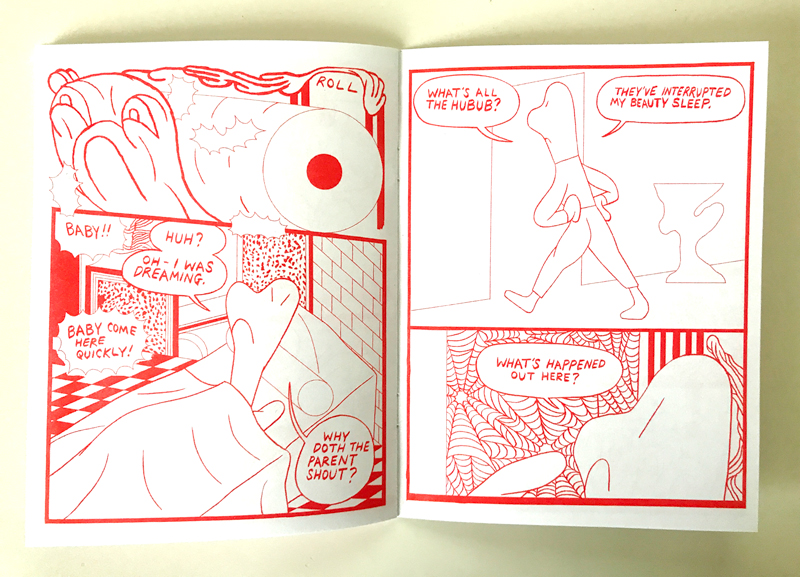
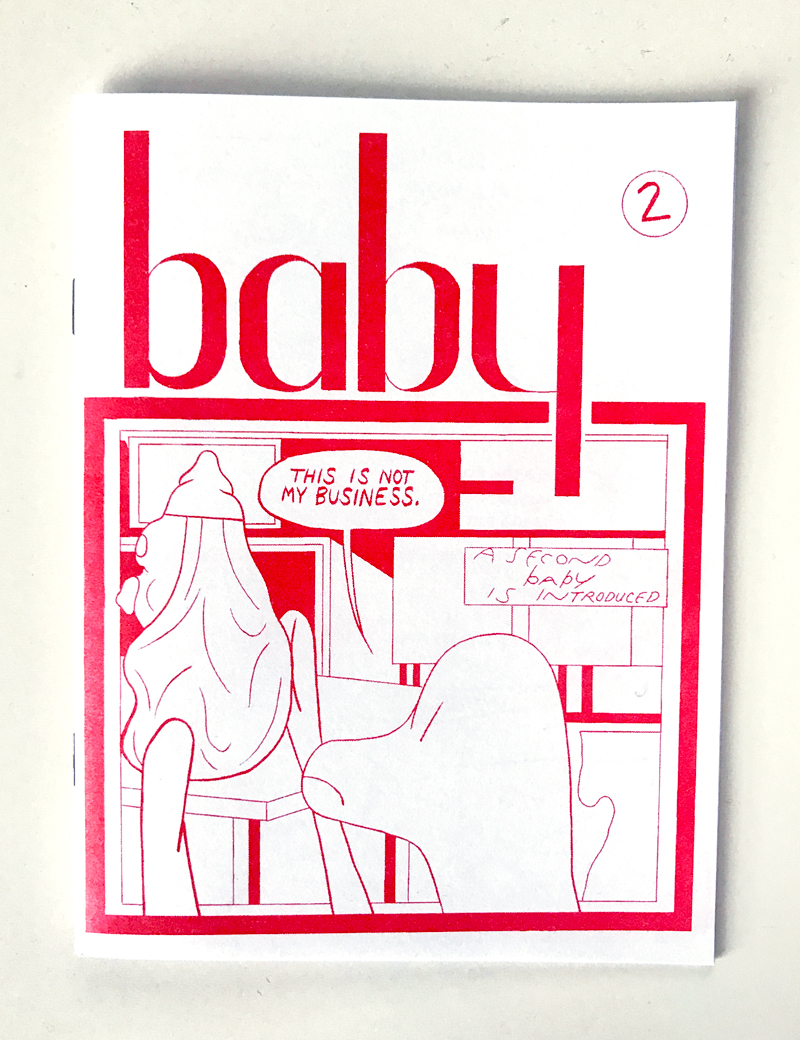
I like creating those loose, abstract drawings - so I often try to find ways to shoehorn them in – sometimes functional like in this instance where the drawing represents time passing – but there’s other instances in the book where those elements are decorative. I like the abruptness of dramatic shifts in time, where serious events are skimmed over – there’s a kind of nihilistic humor to it. (see Patrick Kyle's Baby zines below)
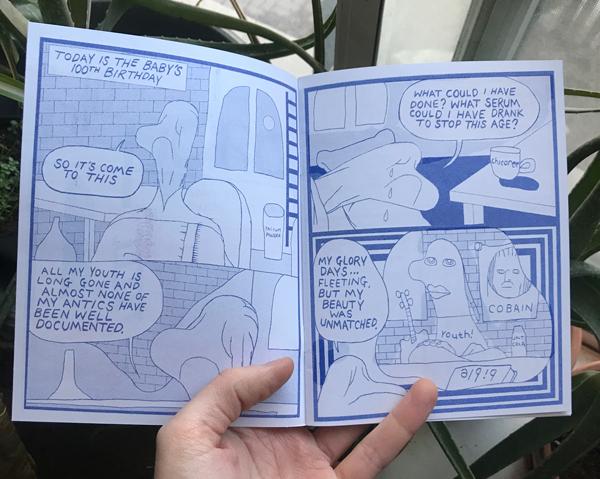
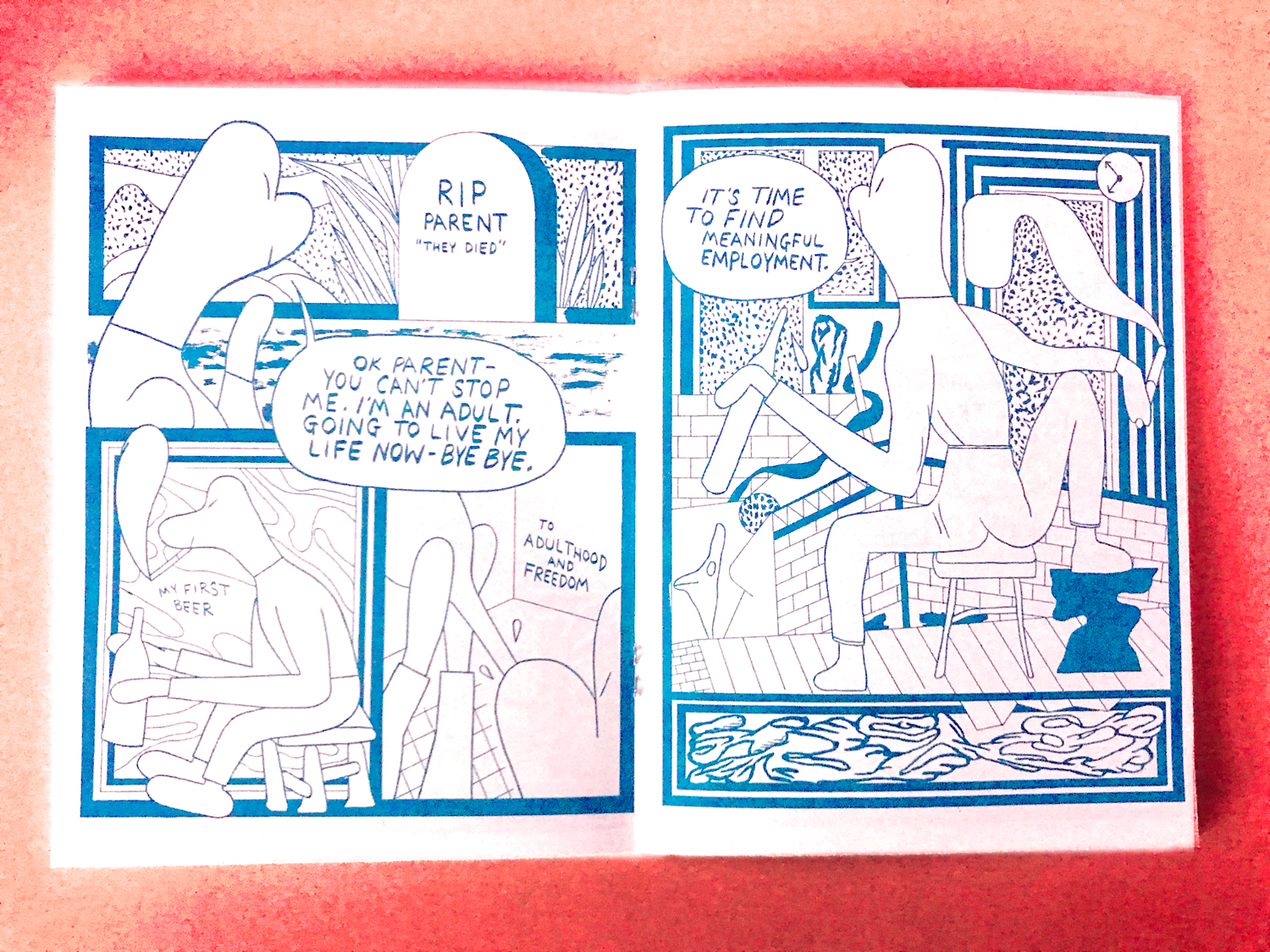
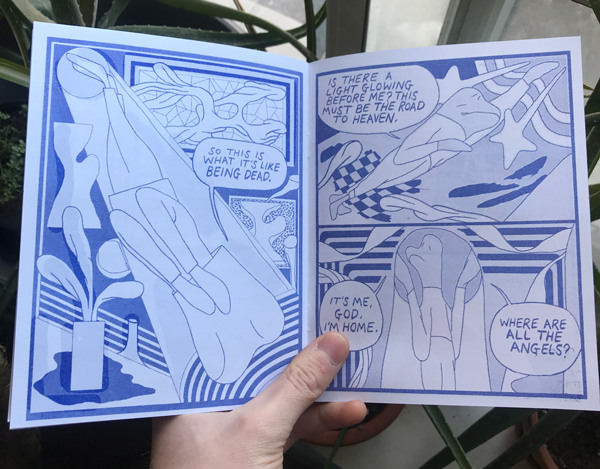
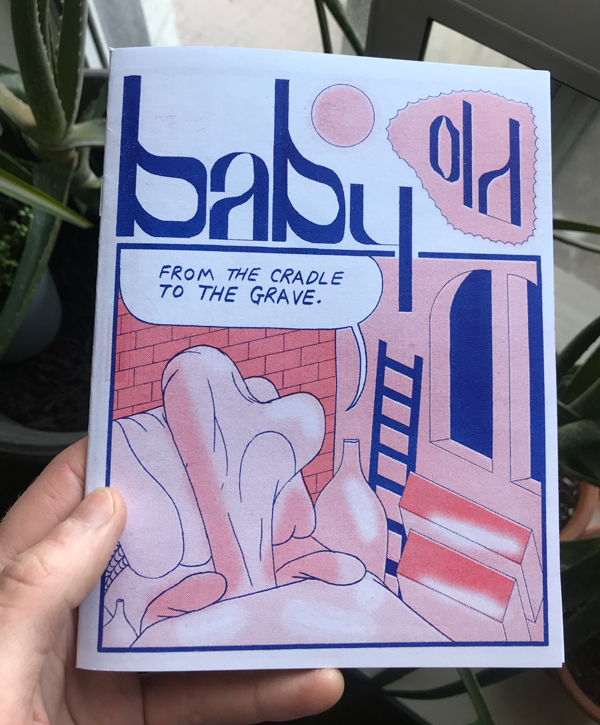
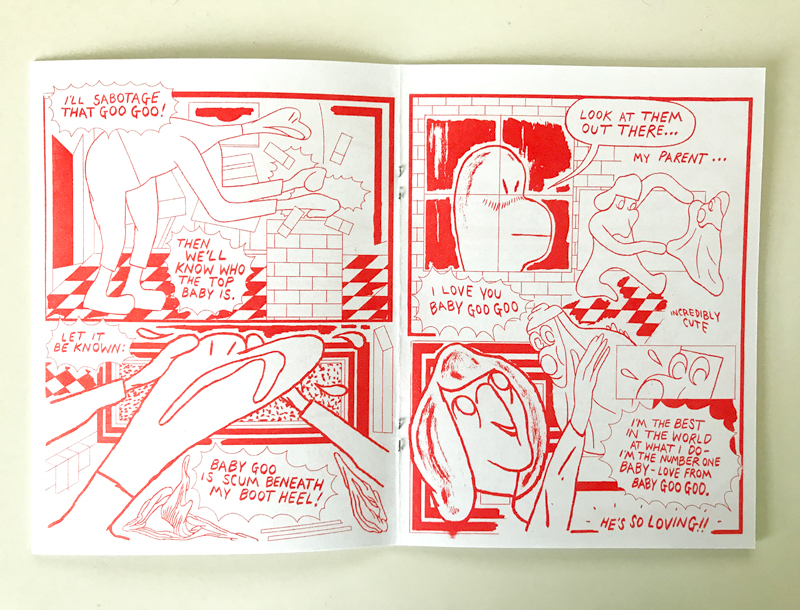
It’s so funny how baby becomes an authority figure after hating authority, and starts smoking weed and exhibiting the behaviors he hates in his parents. Do you find fate a trap of inheritance, like it’s kind of impossible in a way to not become our parents?
Despite how we might grow - I think we often cycle back to places where we’ve been before in our lives. It’s not necessarily a trap or error – just returning to a place of comfort to make observations about where you’re at before you venture out again; a save point. The process of making Baby was very much like this as well – each chapter more or less starts and ends in the same place.
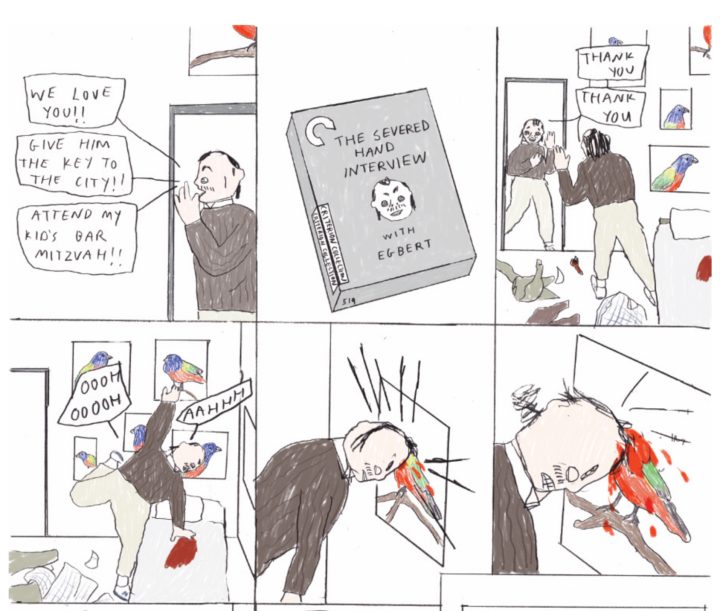
Back to your book: Egbert's fairly unremarkable and quaint life of bird watching and working an office job is thrown into turmoil when he discovers the severed hand. It gave me shades of David Lynch's Blue Velvet, where the discovery of a severed ear marks a divide in the film between a world of safety and predictability and one of terror and violence. Is Lynch's work an influence?
Godddd I love that scene! How can you not! I remember being really excited and jealous when I first saw it of such a simple but aggressively gripping premise! Someone finds an ear in the grass, of course! That’s how you begin a story! I don’t think I was consciously conjuring Lynch making the book (but now that I’m writing this clearly I did use that idea, lol), but he’s in there probably, always sifting around in the soup of all things that have made me feel something new in my life. I definitely think the detective characters feel pretty Lynchian. But honestly, the things that I was conscious of inspiring this book were: the show Detectorists, the movie Uncut Gems, old noir movies, and like the tortured character motif of say Anna Karenina, and Isabelle Huppert’s character in The Piano Teacher.
Elaborating on that question beyond Lynch: Egbert believes he's about to bag his white whale, thinking he is about to see a rare Painted Bunting which he discovers instead of the severed hand. The hand has even taken on the colors of the Bunting in its state of decay, blurring the line between beauty and the grotesque, and between the order and safety of bird watching and chaotic cruelness of reality. Was there any strong intention behind this juxtaposition?
I love the way you describe that! I never really think about things thematically or metaphorically, but when a story starts coming to me I just let it rip and try not to get in its way or like artificially add myself or some opinion I have about the world in it. But I think when you trust your creativity, things just fit. I really just saw the colors working well with the hand and the bird, and that excited me, and I think the things that excite me often lend themselves to what I find essential, or see as some kind of essence about the world, so it doesn’t surprise me that you pulled those ideas out of the bird, but I definitely didn’t think of putting them in there!
In your book, I love that Baby constantly has to be someone else in order to be given rights and respect. How do you experience this in your own life?
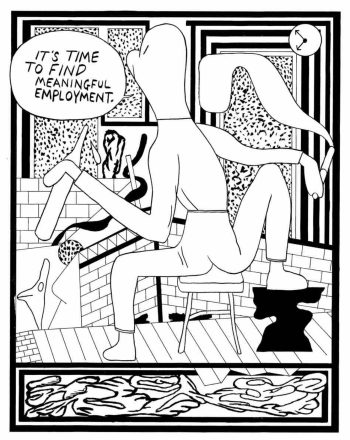
I’ve been working as an arts educator over the last couple of years, teaching comics and illustration at OCADU here in Toronto and online for Barcelona based LABASAD. My studio practice involves a lot of improvisation, playing around, making a lot of messes and mistakes – and it can be kind of a trip to shift from that into a teaching mind-set – where I need to provide students with tangible answers, structure and procedure; I do sometimes feel like I’m playing a bit of a role.
There's some setups in I Never Found You that come into clarity later in the narrative, like Egbert's crafting hobby leading to him having the materials/ability to craft a fake severed leg. Do you create these loose ends with their inevitable purpose in mind?
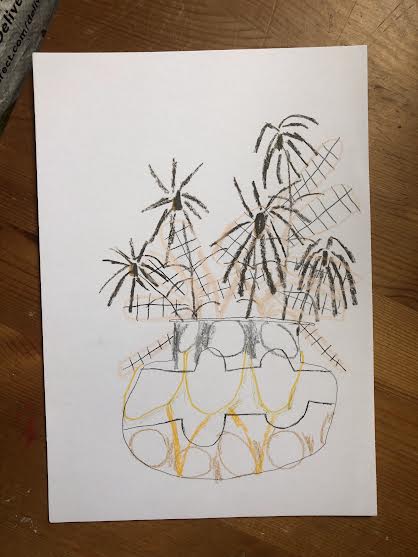
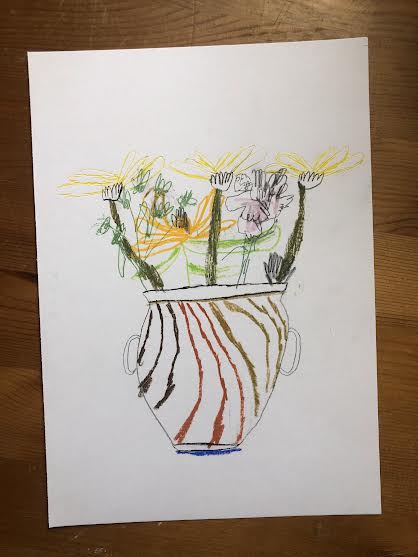
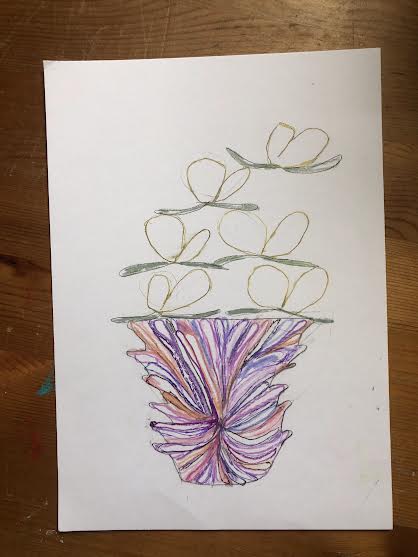
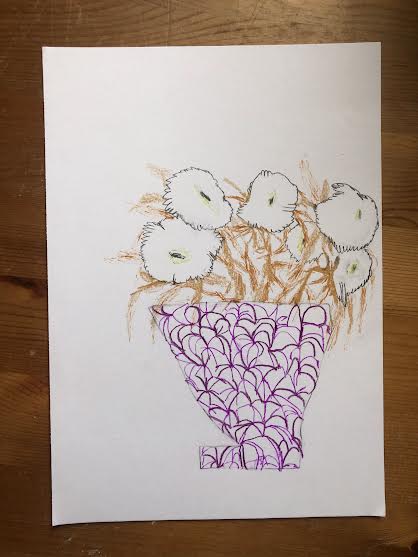
Hmm… honestly I can’t remember. I think sometimes you just gotta use and abuse your characters how you need to! Egbert is like uhh… very nerdy and passionate, and I knew he did something else besides birding, like I knew he had to have “failed” at some other hobbies before ending up at birding. I remember feeling like once Egbert loses the attention of his birding group, he’s gonna wanna take things up a notch in an absurd way. But that absurdity has to be true to him in some way, and I think that’s when I realized he arts and crafts, because characters are always true to themselves. I think that’s when I know when a character isn’t just some kind of extension of me anymore, when they start doing things that I wouldn’t, even if we share some of the same feelings or motivations. (see Em Frank's various floral illustrations below)
It felt a little Alice in Wonderland in the best way possible reading Baby, but more like Baby is escaping deeper into reality, and what’s difficult about human behavior, rather than running from it into the surreal? Do you find even your imagination heavily bordered by human reality? Does that feel limiting at all?
Reality is pretty cool and interesting for the most part, haha. I guess if anything, I find the medium of comics limiting in some ways - or maybe my imagination within the bounds of the medium has felt a bit exhausted or my interest in the medium overall has waned a bit.
Everyone seems to really hate Egbert in I Never Found You: his lack of experience is often the butt of the bird watching group's ire, he endures a lot of name calling and abuse from the people in his town...The world in I Never Found You as well seems to play a lot of cruel jokes and 'rug-pulls' on him that bring so much humor to the book. How do you feel about Egbert after finishing the book? Is he redeemed? Is redemption for Egbert something you sought to resolve in the book?
Hehehe… yea, Egbert has a rough go of it for sure! There’s this really wacky video of John Berryman talking about his character Mr. Henry in his book, The Dream Songs, about how he wanted to torture his character like Tolstoy did to Anna Karenina. I always thought that was really interesting, and made sense to me in some way, and I just love a really messy fuck-up, there’s something so comforting and relatable about that to me. Like here’s someone doing something that I’ve felt called to do by my lower energies but wouldn’t do myself, but I get where he’s coming from, like, I GET his feelings, at least. I feel like what makes me uncomfortable in watching a character fuck up is just how much I can relate to their pitiable lack of control, and that there’s no real feeling that I don’t just immediately relate to. Anyway, redeemed… hmm… good question. I’m not sure I can answer that. I don’t think I really believe in external redemption, so I think only Egbert can answer that question if he was redeemed or not, because even when someone forgives us for something, if we don’t also forgive ourselves it doesn’t really amount to much… and I honestly don’t know if he redeemed himself or not, or forgave himself, or found a way to connect to himself in some kind of lasting and changing way.
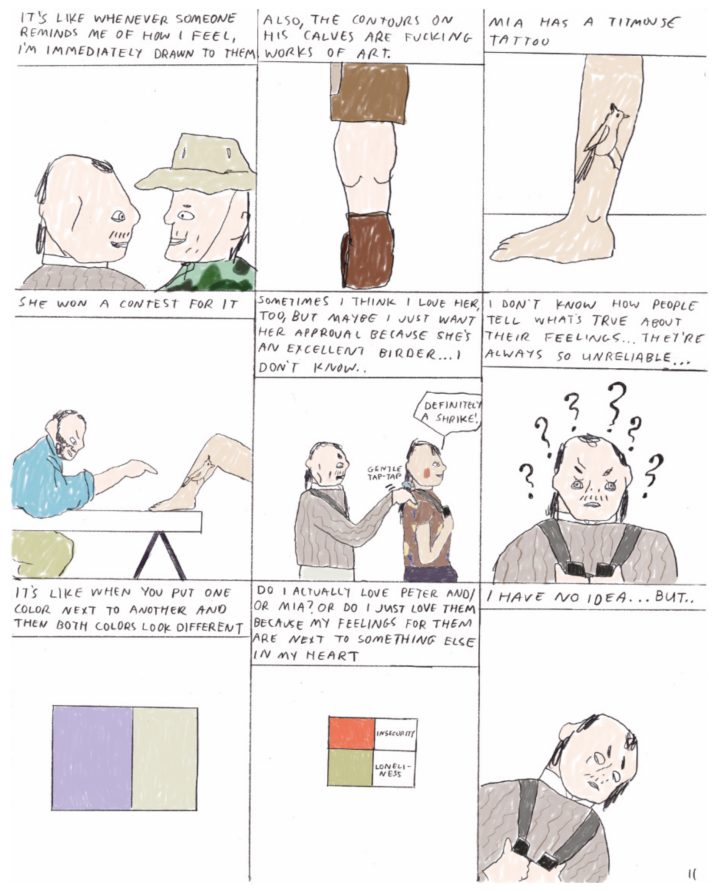
I love your quick quippy sayings like “say no more,” “more fugits” “I diagnose my condition as having a rude parent” Do you hear these commonplace phrases in every day life and make a note of them, almost like you’re writing observational poetry, or do they just come to you?
They do just come to me in the writing process. There’s not a ton of planning or revision when it comes to the written aspects of these works. Whatever I’m trying to say for any piece of narration or dialogue, I try to think of a way to say it with an unusual combination of words.
There's lots of otherworldly and spiritual aspects to I Never Found You - but I think they're best represented by the elf-like detective duo Ollie and Otis. What's their deal??
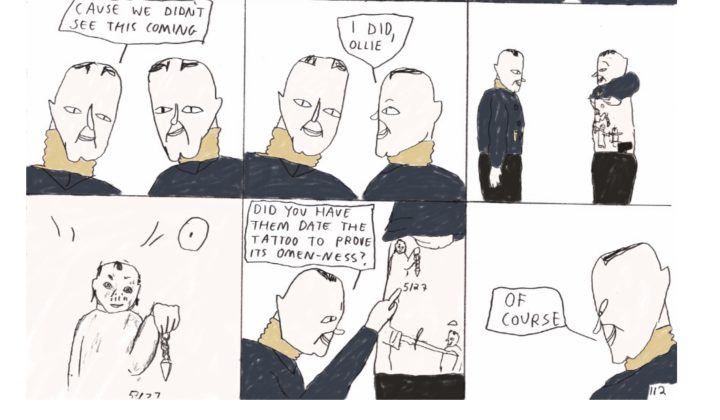
Honestly, I don’t know. They were absolute freaks when they showed up to me, and stayed absolute freaks throughout. I love when that happens. I actually was embarrassed of them for a while and wondered if I should tone them down or not, but alas, nobody puts baby in a corner. I honestly have no interest in controlling my characters or narratives anymore. That feels to me like young aspiration. Now, I’m really only interested in making books that truly take me somewhere new, not just fit into some kind of made up form I have for what a “good book” or “good character” or “good dialogue” should be.
I love the motif of the iconic Tower of Babylon story arc that’s touched on in Book 3 of Baby when Baby feels like he’s dying only to be reborn. How much does myth influence your work and stories? Do you feel really spongy when it comes to inspiration, like do you read and watch movies for ideas, or do you just kind of show up at your desk and dump whatever wants to come out?
Definitely very spongy. My earlier books especially, some overarching and obvious pop culture references there. And yes – I just go. It’s often about trying to make a discovery or to try and surprise myself in some way. I am inspired by film, TV, & music – so I think any mythological reference in my work have kind of just trickled in. I’m sometimes envious of those time-based mediums because of their ability to create atmosphere and tension in ways that feel difficult to achieve in comics.
We're given small glimpses of The Killer character throughout I Never Found You before Ollie and Otis inevitably catch him. Although we've spent our time with Egbert and the Killer's narrative has happened mostly 'off-screen', the story winds up being mostly about The Killer instead, much to Egbert's chagrin. What was the process of entwining these two character's narratives? Were their mirrored narratives a specific goal of the book?
That’s a really interesting take! I actually felt self-conscious that all my other characters were just “straw men” for Egbert. The Killer, in a lot of ways, feels that way for me. I guess all the other characters just challenge Egbert which in turn makes him that much more Egbert-y. I liked the idea of Egbert kinda coming face to face with his white whale, The Killer, and being basically disappointed by it. And I also just love a good villain reveal. When the villain shows up they bring their side of things to the story too and that will always shake up whatever truths the main character has about themselves and the world. I love when that moment happens, and I just think that that’s inevitable to some degree… like we don’t go through life like these empty hands touching nothing, we touch everything, and are changed by it, so Egbert had to meet the killer in some way, and it just happened that he met him face to face, in this one.
I like how approachable, relatable and emotional you make the surreal in Baby. It’s such a charm to read and see as being possible. How do you manage that fine line between the un-relatability of a fantasy world and that which resonates despite how wild, obtuse or unstable a world you’re making is? Do you find this happens organically when starting a new book, or do you consciously feel like you need to keep audience in mind?
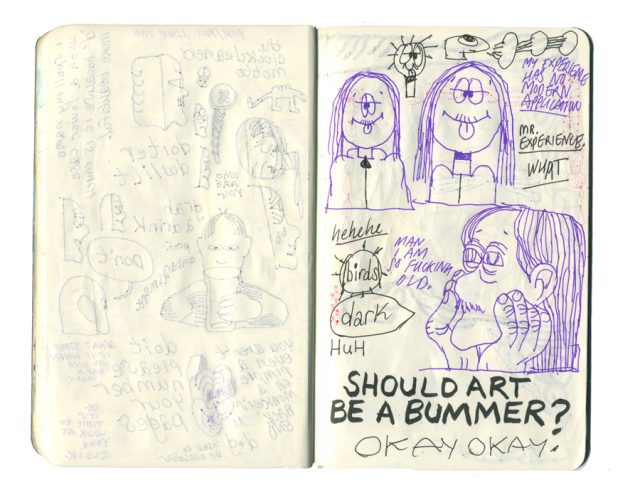
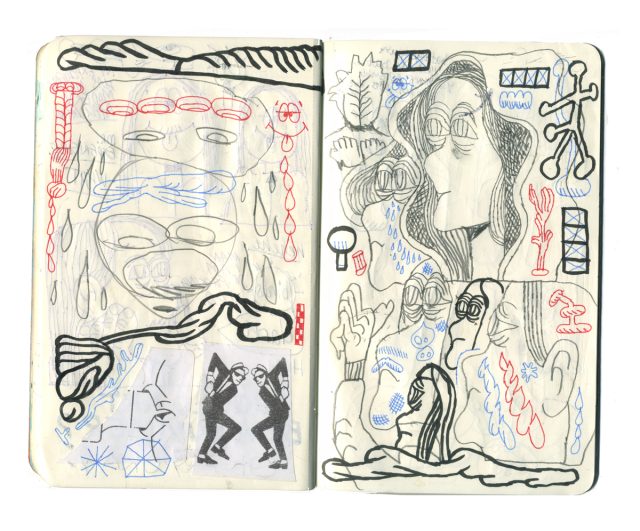
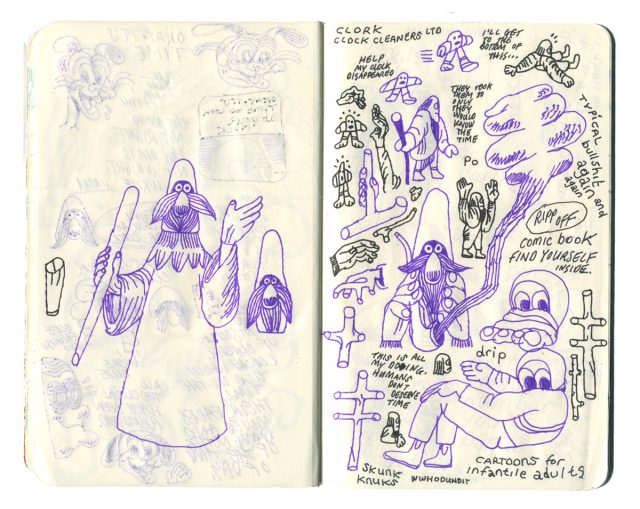
It happens very organically. I do very little/no preliminary work for (some of) my comics. I do try to keep things representational/readable for the most part – and failing that I like to have the characters talk the reader through it a bit. It’s something I learned from reading Mark Beyer’s comics, Amy and Jordan specifically. There’s a lot of parts where the characters just remark about what they’re doing – like: “We’re going here now!” or “Look, I’m walking through this door!” or things like that, which most cartoonists would just demonstrate through their images. I did a ton of this in my book Distance Mover. The characters are always interacting with weird looking/non-representational objects, so they’re always explaining what everything is.
A final question on I Never Found You: Birding! Bird watching! I'm aware that you're involved in/have done some bird watching in your time. Egbert feels that he can't find what he was looking for at the beginning, and turns to birding seemingly for its perceived simplicity and that there's "a guide" book. I find that a lot of hobbies seem this way initially - then the rabbit hole of them is quickly revealed and they wind up being more enveloping than you may have bargained for. Was this your experience of birding, and did that influence the narrative?
Yes, yes, birding! I was birding obsessively during the making of this book, although I’ve fallen off lately! I did fall into the rabbit hole of birding, and I will just call out Lala Albert, the incredible comic artist, for that! She mentioned to me briefly that birding was like Pokémon and I was totally in. Oh, and the board game Wingspan! That, I think, is what started it for me, and then I saw a flier for bird walks at a local nature preserve in Philadelphia and sorta just let birding take over my life. The thing I loved about birding was how, when you start paying attention to anything, how much bigger the world gets. I think this is what’s so beautiful about hobbies. And when I started birding and really listening to all these birds around me all these memories of my life started floating back to me and I realized how much the subconscious really takes notes of. It was so beautiful, and such a beautiful way to be closer to myself. Like having a relationship with the world is how we have a relationship with ourselves. And I also just wanna humble brag and say I was a PRE-pandemic birder lol. Ok, I’m done being bratty. Thanks, Lala!
Lastly, I love a long goodbye. Baby says goodbye and then transforms into various famous paintings at the end of the book so that he kind of doesn’t have to die at all. Not to put you on the spot to explain anything, because I think that’s tedious as an artist, but as Eileen Myles writes, “I write because I would like to be used for years after my death. Not only my body will be compost, but the thoughts I left during my life…” Do you have any kind of ambition like this?
No, I haven’t thought much about legacy leaving or anything like that. I mostly do what I do/make artwork for myself. If anything, I hope that I can inspire others to be creative and unhindered in their own works.