
Recently a review of the Bob Dylan biopic “A Complete Unknown” mentioned Lionel Ziprin as having been excluded from the film. As a lifelong Dylan aficionado, I thought, “Who?” Looking into it further, Ziprin was at best a tangential figure in Dylan’s life in New York; in his NY Times obit it states Dylan visited “occasionally.” A more significant omission is that of important Dylan influence Ramblin’ Jack Elliot, but that is a story for another time and place.
Still, I was intrigued. Turns out Ziprin was quite the polymath: Jewish mystic, poet, artist, beat, hipster, hippie, underground film actor, greeting card company owner, and wait for it….comic book writer.
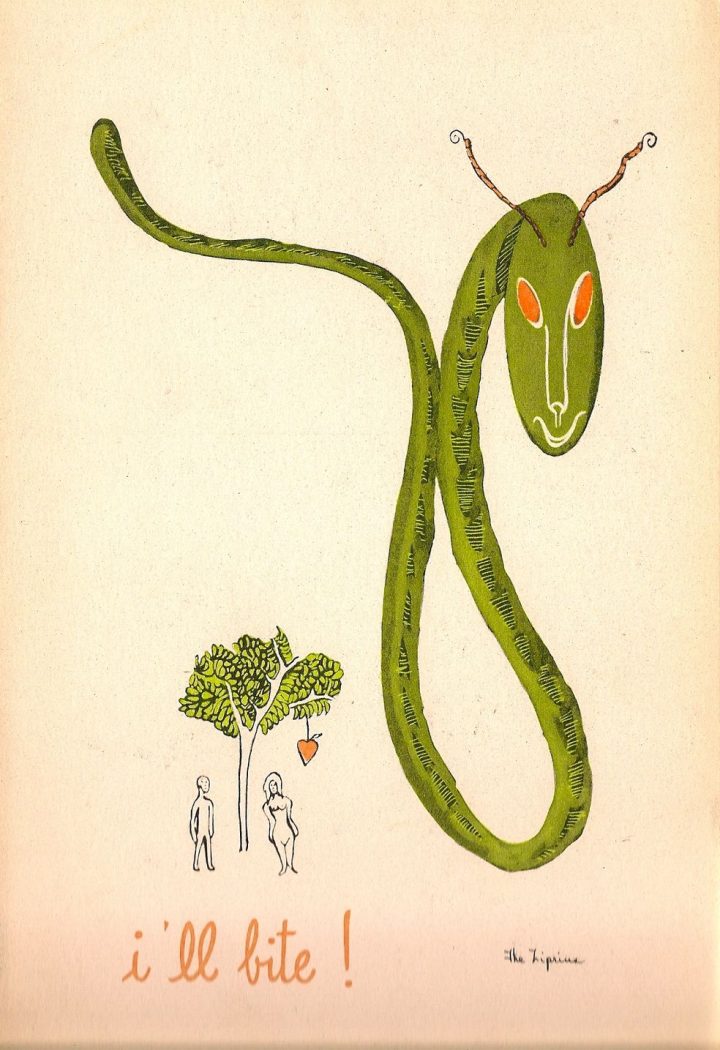
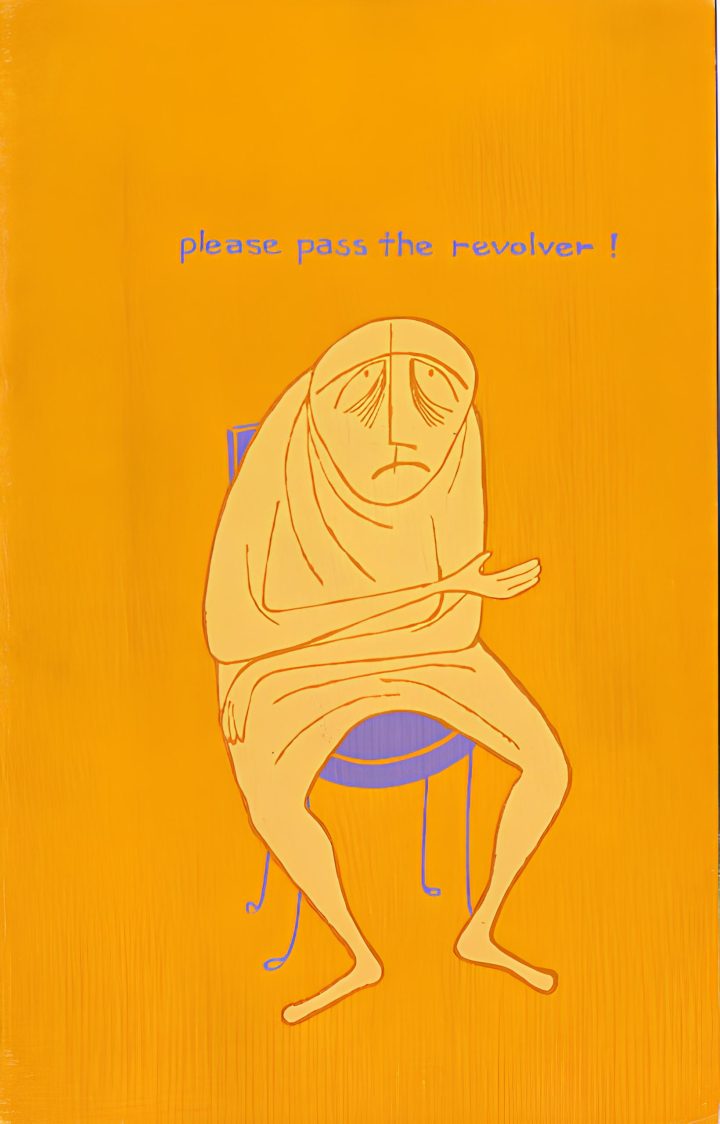
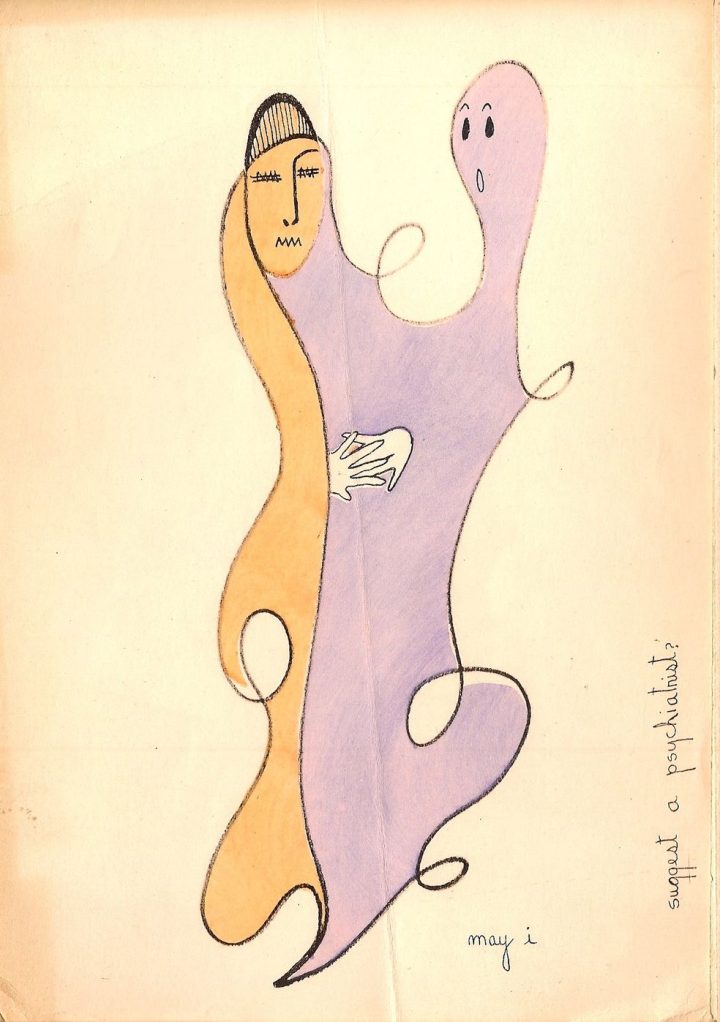
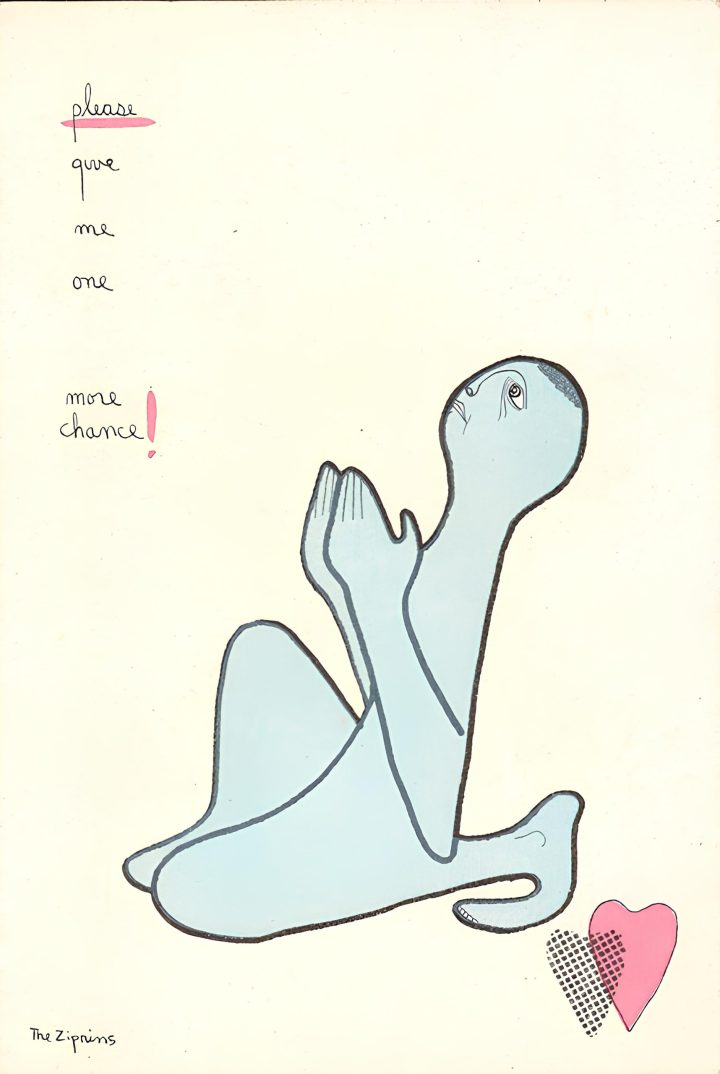
The grandson of an orthodox Rabbi, Ziprin held court in his lower east side apartment for decades. Those in attendance, among others, included the photographer Robert Frank, the jazz greats Thelonious Monk and Charlie “Bird” Parker, the artist Harry Smith and beat poet Allen Ginsberg. In addition to Jewish history and mysticism, attendees would listen to Ziprin expound on myriad subjects, including angels, apparitions, magic, interplanetary rhythms, and more.
He was a consumer of amphetamines and peyote, both legal at the time. He experienced lifelong hallucinations as the result of being over-anesthetized during a tonsillectomy as a child. As a result, he believed he could converse with the spirit world. He suffered from epilepsy and rheumatic fever as a boy and didn’t speak English until he was 10 years old1.
As if that wasn’t enough of a resume, during the early 1960s Ziprin also wrote for Dell Comics. According to Ziprin, “You couldn’t write about Superman or space. Dell made contracts with all the movie companies and I wrote a series of comic books on every battle in the Pacific and European theatres. They gave me the theme, or movies would come out, big movies; they handed me the script, and I had to put it into comic book form. All I got was ten dollars a page: six boxes, balloons and lines, and I had to sign away everything, that it was not my property, no credit. But I was America’s best-selling writer of comic books, my comic books sold in the millions of copies.”2 While that last claim may be a bit of hubris, he indeed wrote more than a dozen comics and text stories for Dell. In one, Kona, Monarch of Monster Isle, he sprinkled Kabbalistic numerology into the caveman’s story.
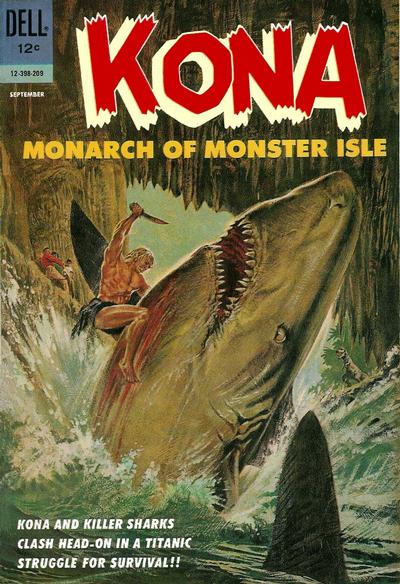
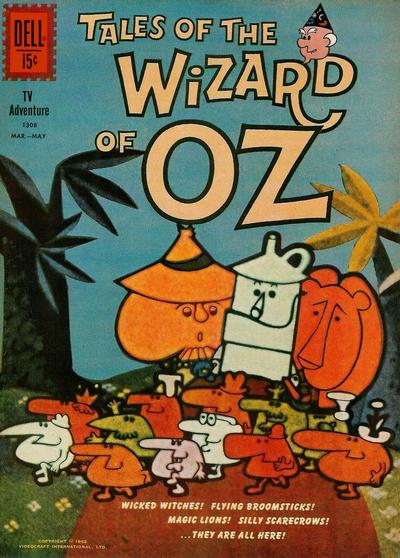
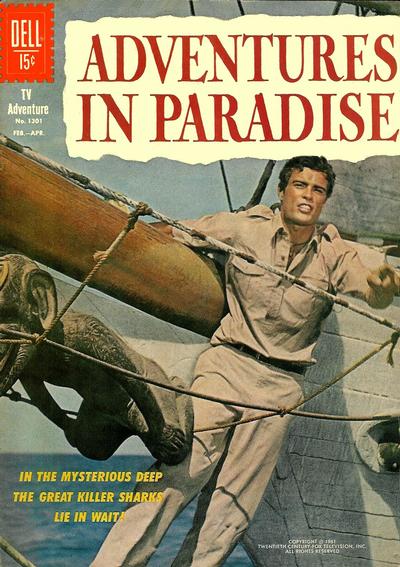
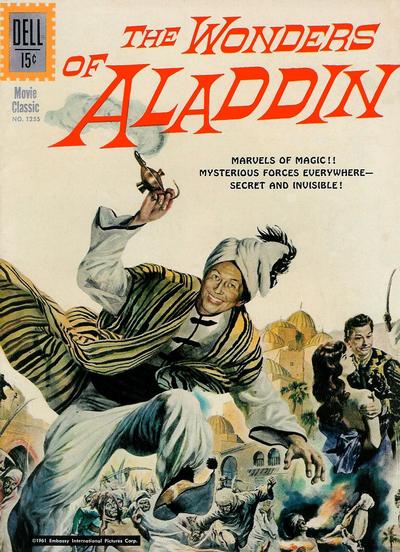
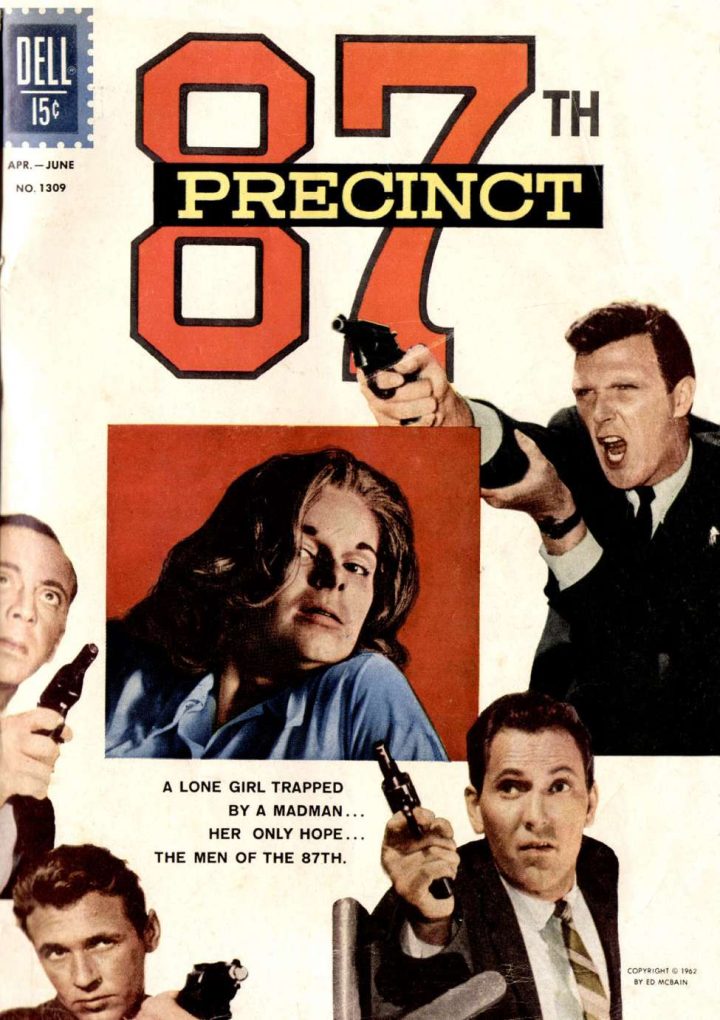
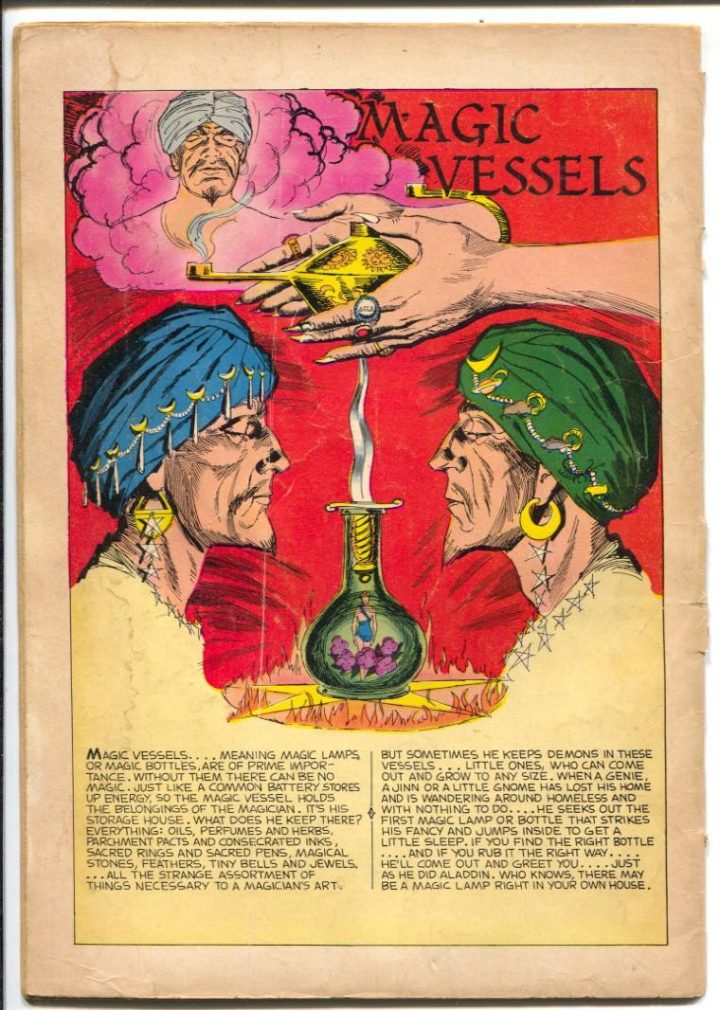
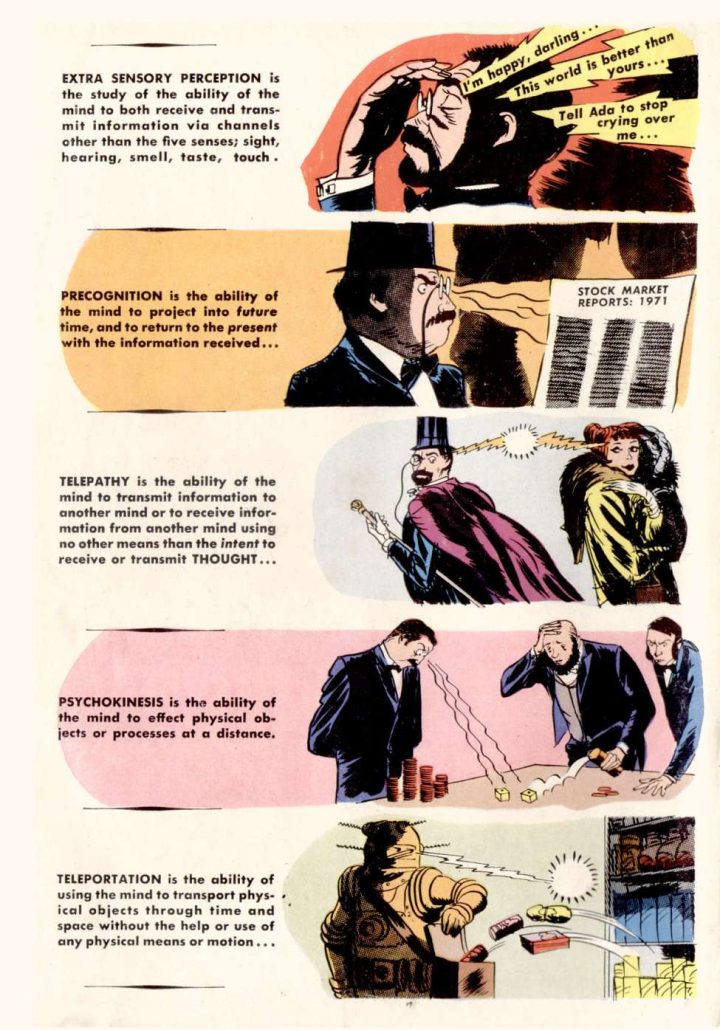
In a letter to comic book historian Mark Evanier, J. Reed wrote, “I knew Lionel Ziprin and spoke with him about his comic writing for Dell….He did tell me that he wrote several issues of Kona, Monarch of Monster Isle but was uncredited. One issue that he told me about featured a creature that could pull itself apart into 22 pieces and be reformed as something else. This was an allusion— for Lionel anyway, probably not to the readers of Kona — to the kabala and the formation of worlds from the 22 letters of the Hebrew alphabet.”3
Born into an Orthodox family on Manhattan’s lower east side in 1924, his maternal grandfather was Rabbi Naftali Zvi Margolies Abulafia, founder of the Home of the Sages of Israel, a yeshiva on the Lower East Side. His singing of liturgical songs and chanting was recorded by the aforementioned artist and ethnomusicologist Harry Smith. Lionel’s parents were Nathan and Sheba Ziprin, and he had a brother Jordan, a lawyer and classical pianist. While still young Lionel published a group of poems and received a letter of encouragement from no less than T.S. Elliot. He received a scholarship to Columbia University, but his studies were cut short due to lack of funds. He was published in the poetry magazine, The Trigram.4
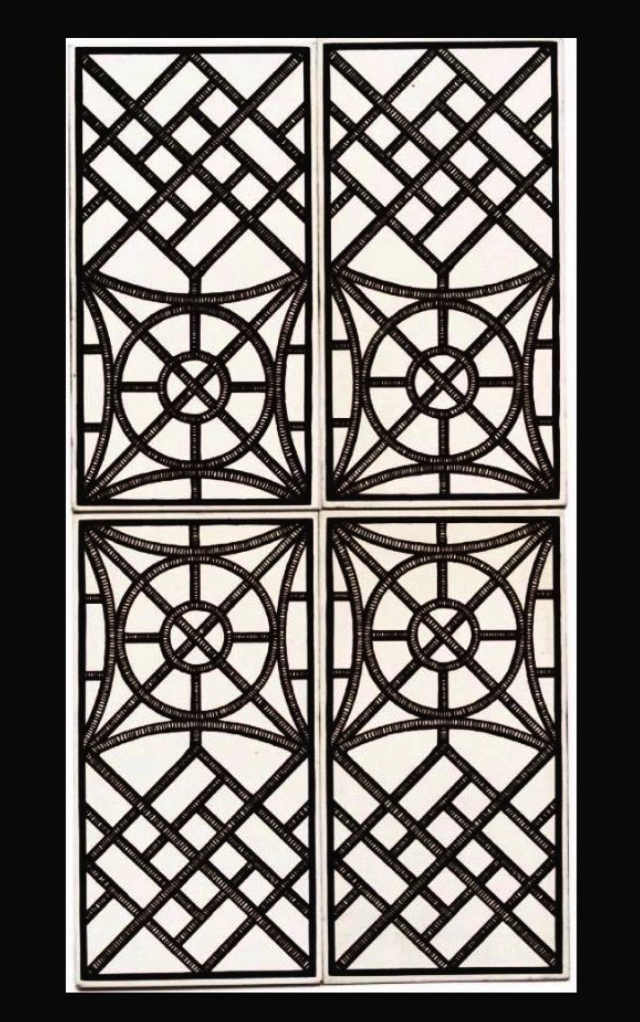
In Smith, Ziprin had met a kindred spirit. Smith too was quite the Renaissance man, himself an artist, experimental filmmaker, musicologist, bohemian, mystic, record collector, hoarder, student of anthropology and a Neo-Gnostic bishop. He was responsible for the Anthology of American Folk Music, released in 1952 by Folkways Records, a seminal collection created from his personal 78 rpm records of country, folk, blues, cajun and gospel, which led to the folk music revival.
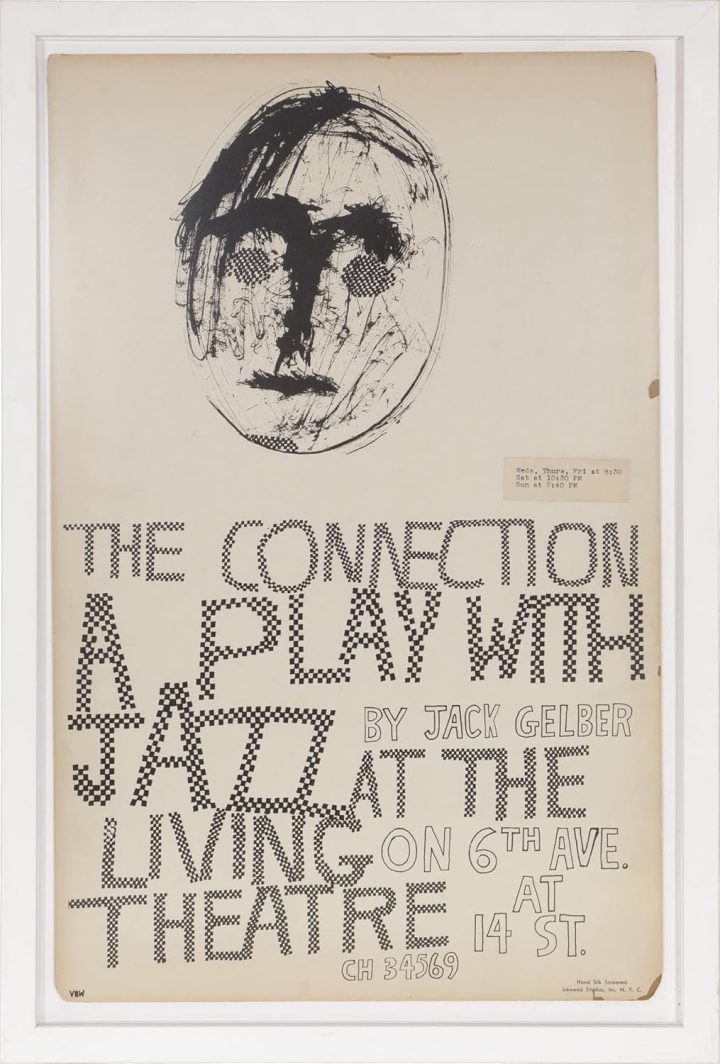
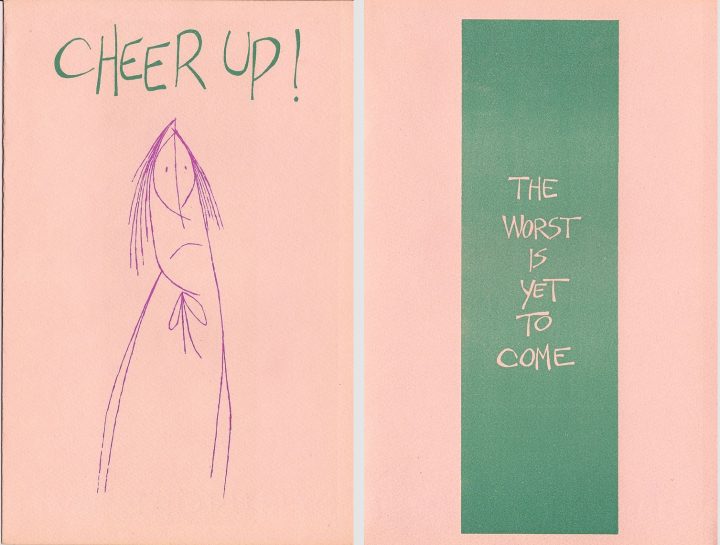
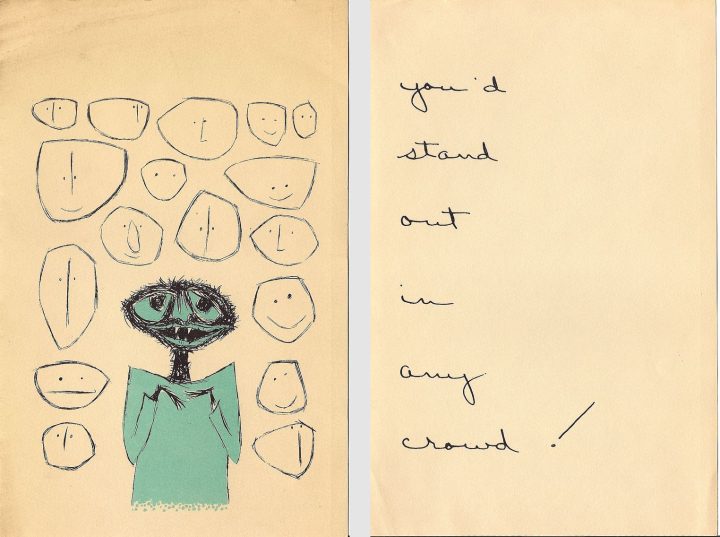
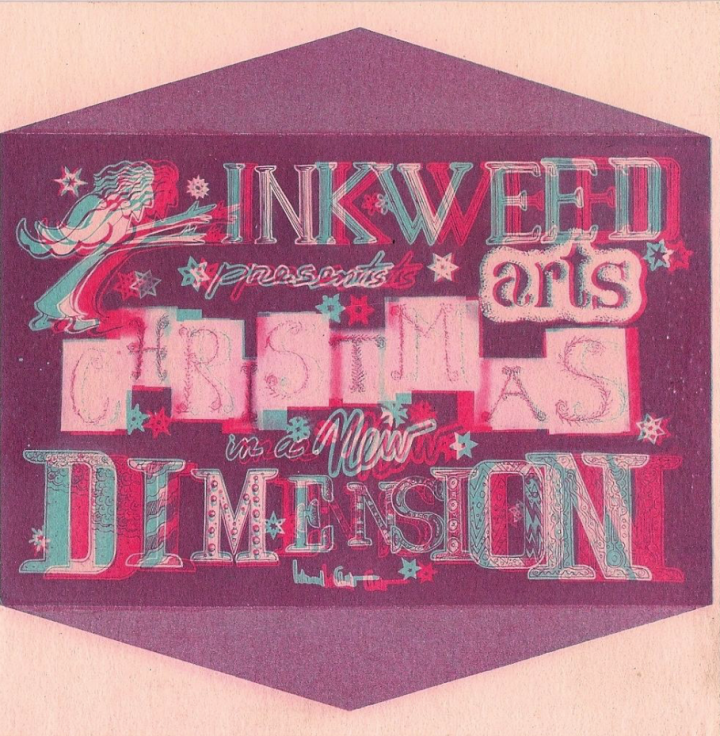
In 1950, Ziprin married artist, animator, illustrator, dancer and foot model Joanne Eashe, whose interests ran from Bebop to Buddhism.5 Some claim she was the inspiration for Dylan’s “Visions of Joanna”, although I believe that honor goes to Joan Baez. Smith attended their wedding. The following year, the Ziprins founded “Ink Weed Arts”, primarily a “Beat” greeting card company, although it produced other graphic design as well. In a letter to potential investors, they stated that Inkweed had “worked hard to design, perfect and market an idea in greeting cards that we believe in. . . having to do with imagination, bits of black magic and shoe strings, which all too few people accept in lieu of cold, hard, cash.” They were located at 128 Lexington Avenue.
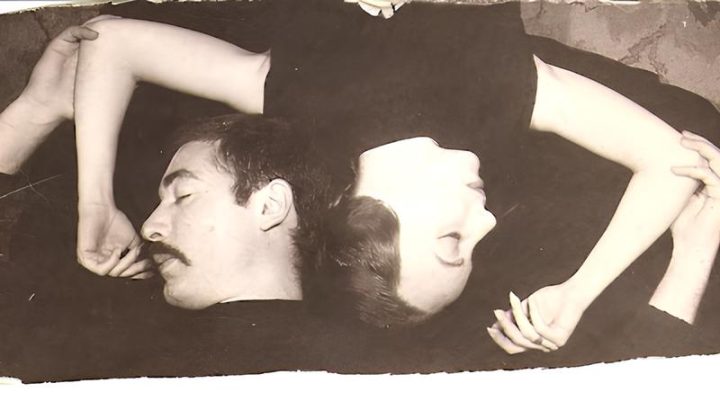
The cards also featured the work of artists Smith, Jordan Belson, painter and filmmaker Bruce Conner, and illustrators Barbara Remington and William Mohr, often their first paying work. They produced a line of 3D cards with 3D glasses, and even a set of hand painted cards. The cards were distributed into department stores, gift shops and college book stories around the country. However high production costs and poor accounting led them to sell the company in 1954.
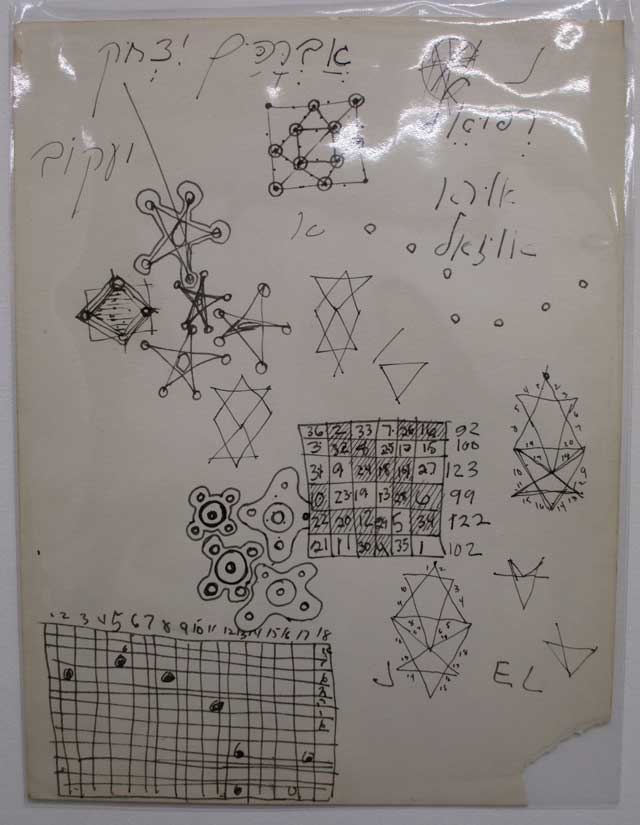
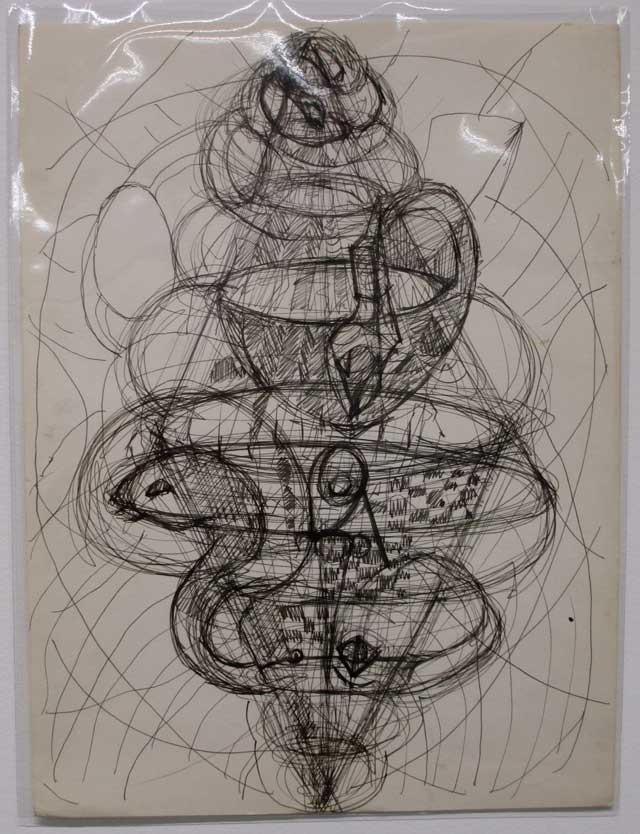
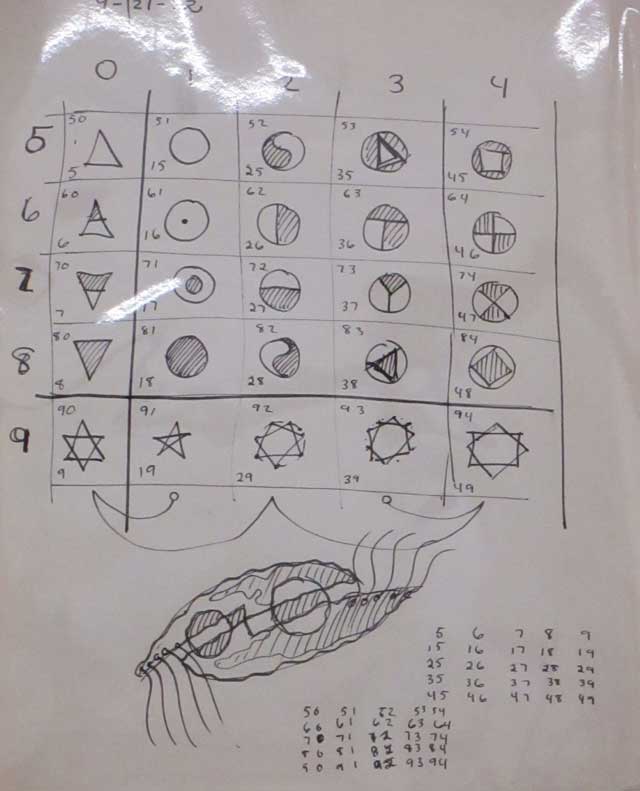
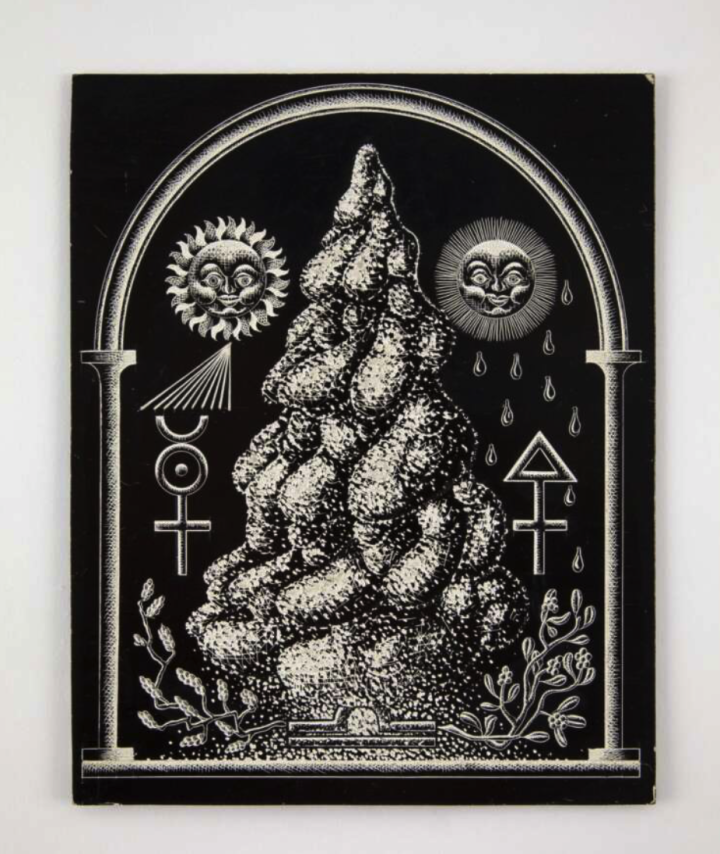
Not to be deterred, they next formed “The Haunted Inkbottle”, this time at 6 East 17th Street, creating not only greeting cards, but also finely printed books, book covers and ephemera, again with Conner, Remington, and Mohr. They were more successful this time out, although the company closed after five years. An unrealized Tarot Card set was in the works.6 The group continued work either under either “The Haunted Inkbottle” or “Inkweed Studios” through 1959.
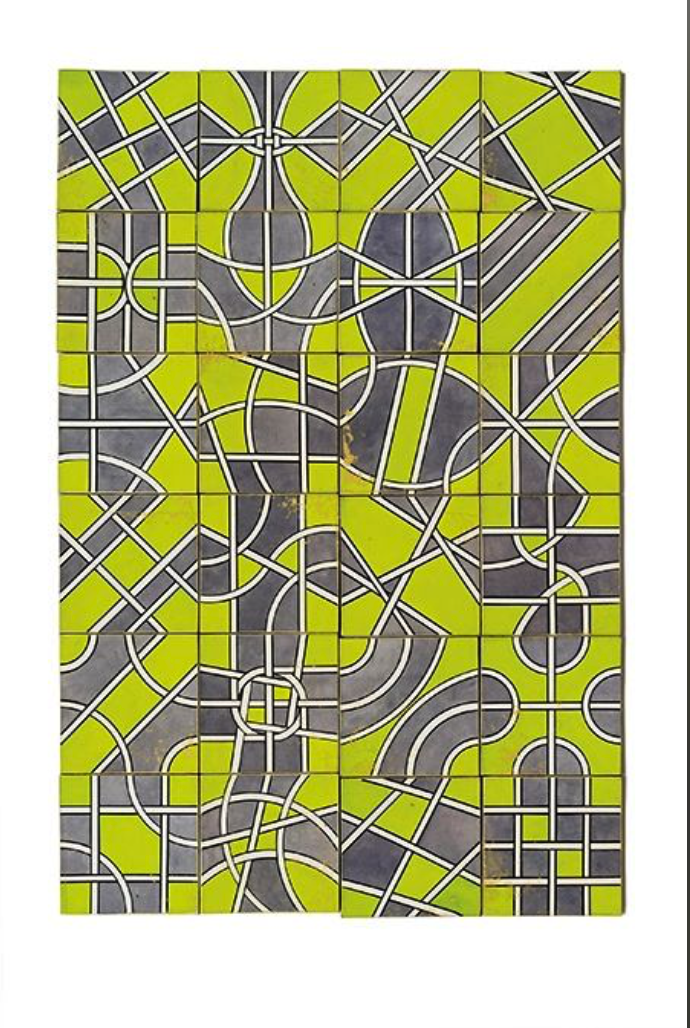
Next up was the “Qor Corporation”, yet another collaboration between Smith and Ziprin, exploring the application of design on mylar sheets, a process created by the poet Ira Cohen. The intent is that they could be adhered to different surfaces for decoration and moved around.7
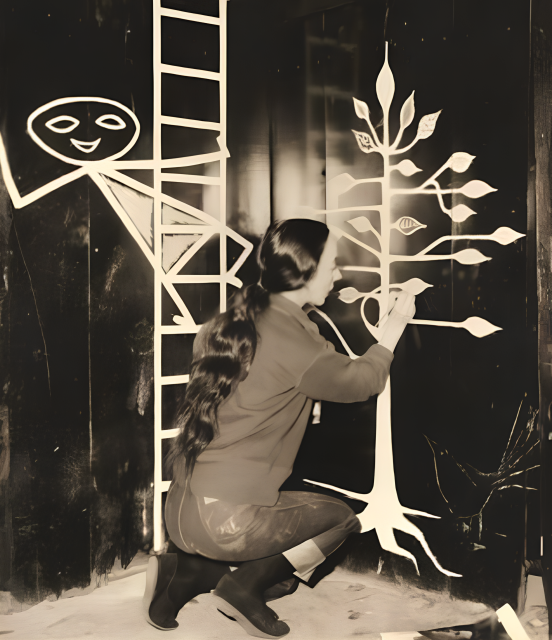
In the 1960s, Ziprin produced two underground films based on the Wizard of Oz, both written and directed by Harry Smith, “Number 13” and “Oz: The Tin Woodman's Dream”, and also acted in “The Invasion of Thunderbolt Pagoda”, written and directed by Ira Cohen. Joanne too worked with Smith, creating animations for both films. The same year of the first film, 1962, Ziprin wrote “Tales of the Wizard of Oz” for Dell. Around this same time Ziprin also wrote Songs for Schizoid Siblings, a collection of children’s poems based on both Mother Goose rhymes and the teachings of the Kabbala.8
The couple had four offspring, daughters Zia and Dana and sons, Leigh and Noah. They split in the late 1960s, with Joanne moving their children to California, living for a period in the home of LSD Guru Timothy Leary. Soon thereafter, Lionel reembraced Orthodoxy.
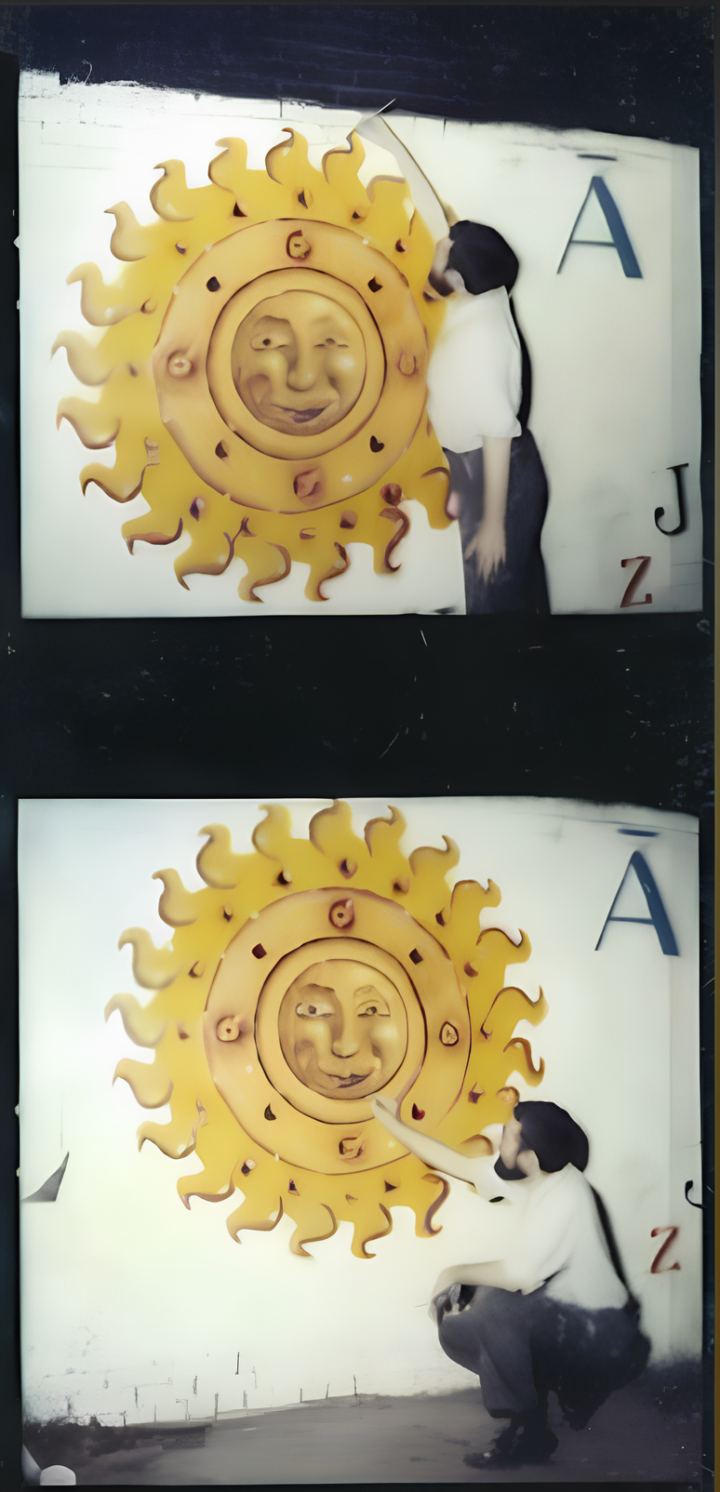
Joanne died in 1994 and Lionel in 2009, at the age of 84, on the lower east side. That night his body was flown to Israel for burial. He left behind a collection of artifacts – books, boxes, manuscripts, tracts, paintings, prints, religious documents dating back to the 17th century, and recordings.9
“I am not an artist. I am not an outsider. I am a citizen of the republic and I have remained anonymous all the time by choice.”—Lionel Ziprin
Special thanks to Norris Burroughs
- Arthur Magazine.
- David Katz meets Lionel Ziprin.
- newsfromme.com
- David Katz meets Lionel Ziprin.
- David Katz meets Lionel Ziprin.
- From Inkweed to Haunted Ink: The Beat Greeting Card.
- Carol Bove’s “RA, or Why is an orange like a bell?” and “Qor Corporation: Lionel Ziprin, Harry Smith and the Inner Language of Laminates”
- David Katz meets Lionel Ziprin.
- Frieze.com.